

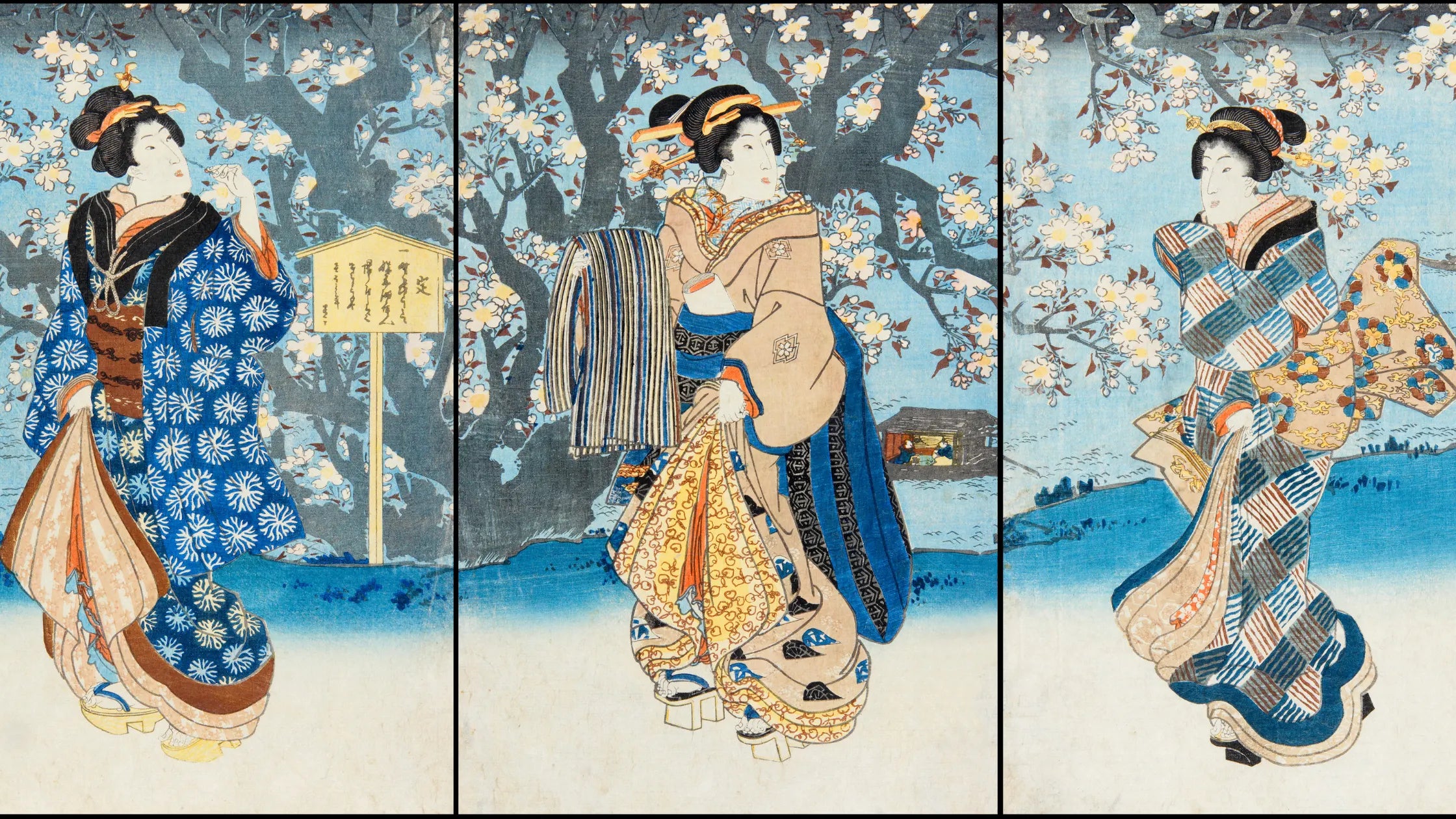
Japanese artwork has a quiet way of transforming a space. It doesn’t shout for attention, but once it’s there, everything feels more intentional. Whether it’s a classic ukiyo-e woodblock print, a soft ink painting, or modern Japanese wall art, the right display can make your home feel calm, curated, and effortlessly stylish.
If you collect Japanese home decor or are just starting to explore it, here are five simple, beautiful ways to display Japanese artwork in your home—without overthinking it.
1. Let One Piece Speak for Itself
One of the best things about Japanese design is how much it values simplicity. You don’t need a whole gallery wall to make an impact. Sometimes, a single piece of Japanese wall art is more than enough.
Try hanging one standout print—maybe a wave, a landscape, or a seasonal scene—on a clean, open wall. Give it space to breathe. This works especially well with traditional Japanese artwork, where the details and storytelling really shine when they’re not competing with other decor.
Stick with simple frames in natural wood or black. Avoid anything too ornate. The goal is to let the art feel calm and grounded, not busy.
Perfect spots for this:
-
Above a sofa
-
In an entryway
-
In a reading nook or home office
This approach feels intentional and refined, which is exactly what boutique Japanese decor is all about.

2. Create a Small, Curated Art Moment
In traditional Japanese homes, art is often displayed in a special space meant just for appreciation. You can recreate that feeling without remodeling your house.
Choose a shelf, a console table, or a quiet corner and treat it like a mini gallery. Hang or lean one piece of Japanese artwork, then add one or two complementary items—nothing more.
Good pairings include:
-
A handmade ceramic vase
-
A small ikebana or dried branch
-
A simple object made of wood or stone
Keep it minimal. The idea isn’t to decorate—it’s to create a moment. This kind of display feels personal and thoughtful, which resonates with people who appreciate Japanese interior design and artisan-made goods.
Bonus: it’s easy to swap pieces seasonally, which aligns beautifully with Japanese design traditions.

3. Mix Traditional and Modern Japanese Art (Carefully)
You don’t have to choose between old and new. Traditional Japanese art and modern Japanese artwork can work together really well if you keep things balanced.
For example:
-
A classic ukiyo-e print paired with a modern abstract piece
-
A soft ink painting next to contemporary Japanese photography
-
Vintage-inspired artwork mixed with clean, modern frames
The trick is cohesion. Use similar frame styles or keep the color palette consistent so the display feels curated, not chaotic.
This works especially well in:
-
Hallways
-
Staircases
-
Gallery-style walls with plenty of spacing
Mixing eras gives your space personality and shows that your love for Japanese art goes deeper than trends.

4. Bring Japanese Artwork Into Everyday Spaces
Japanese artwork doesn’t need to live only in formal rooms. In fact, it often feels best when it’s part of daily life.
- In the bedroom, soft landscape prints or cherry blossom artwork can make the space feel peaceful and grounded.
- In the kitchen, smaller Japanese prints—especially nature-inspired ones—add warmth and character.
- In the bathroom, minimalist wave or bamboo artwork creates a spa-like vibe that feels intentional but relaxed.
Stick to smaller pieces or simple sets of two or three. Vertical arrangements work especially well and echo the feel of traditional scroll art.
This approach helps Japanese wall art feel lived-in rather than precious—which is perfect for boutique-style homes that value beauty and comfort equally.

5. Pair Artwork with Natural Materials
Japanese art looks best when it’s surrounded by natural textures. Wood, linen, ceramic, and stone all bring out the warmth and depth of Japanese artwork.
Try pairing your art with:
-
Wooden or bamboo frames
-
Linen wall hangings or neutral textiles
-
Handmade pottery or ceramic accents nearby
Lighting matters, too. Soft, warm lighting—or indirect light—keeps the artwork feeling calm and inviting. Avoid harsh spotlights that can flatten the details or make the space feel too formal.
This kind of styling feels authentic and timeless, which is exactly what fans of Japanese home decor are looking for.

Final Thoughts
Displaying Japanese artwork isn’t about filling space—it’s about creating balance. A well-placed piece can shift the mood of an entire room, making it feel calmer, warmer, and more intentional.
Whether you’re drawn to traditional Japanese artwork, modern Japanese wall art, or a mix of both, trust your instincts. Choose pieces that resonate with you, give them room to shine, and let the rest of your decor support them quietly.
That’s the beauty of Japanese design—it’s thoughtful, understated, and meant to be lived with. And when you get it right, your home doesn’t just look good—it feels good, too.
Share:
Exploring Japanese Onsen Culture: Relaxation at Home
Seasonal Japanese Décor Ideas for Winter