

Journal
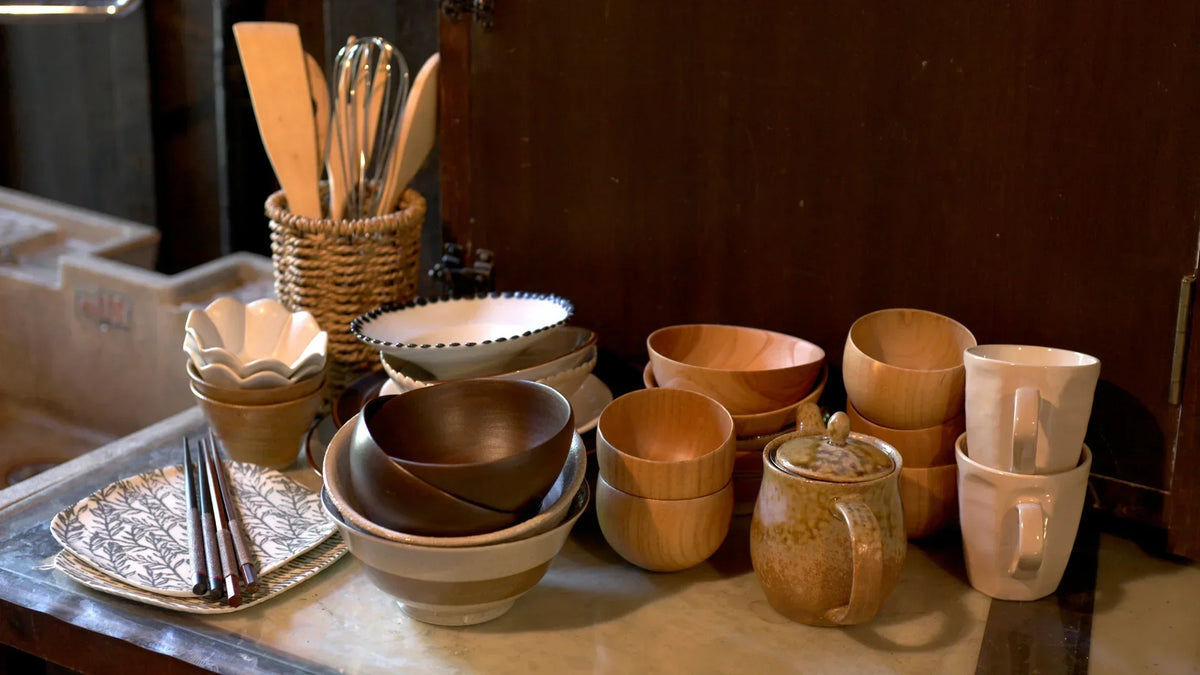
How to Care for Your Japanese Kitchen Tools
There’s something satisfying about using a well-made kitchen tool.
A good Japanese kitchen knife feels natural in your hand. A wooden spoon develops a little more character with every meal. A handmade ceramic bowl might have small variations in its glaze that make it feel like it was made just for your kitchen.
That’s part of the appeal of Japanese kitchenware. These aren't usually pieces you buy simply because you need something to cook with. They're everyday objects made with attention to materials, craftsmanship, and detail.
And while most Japanese kitchen tools don't need complicated maintenance, a little extra care can go a long way. Here are some simple ways to keep your favorite pieces looking beautiful and working well for years to come.
The Lifespan of Traditional Japanese Products
There's something refreshing about owning products that aren't designed to be replaced every few years.
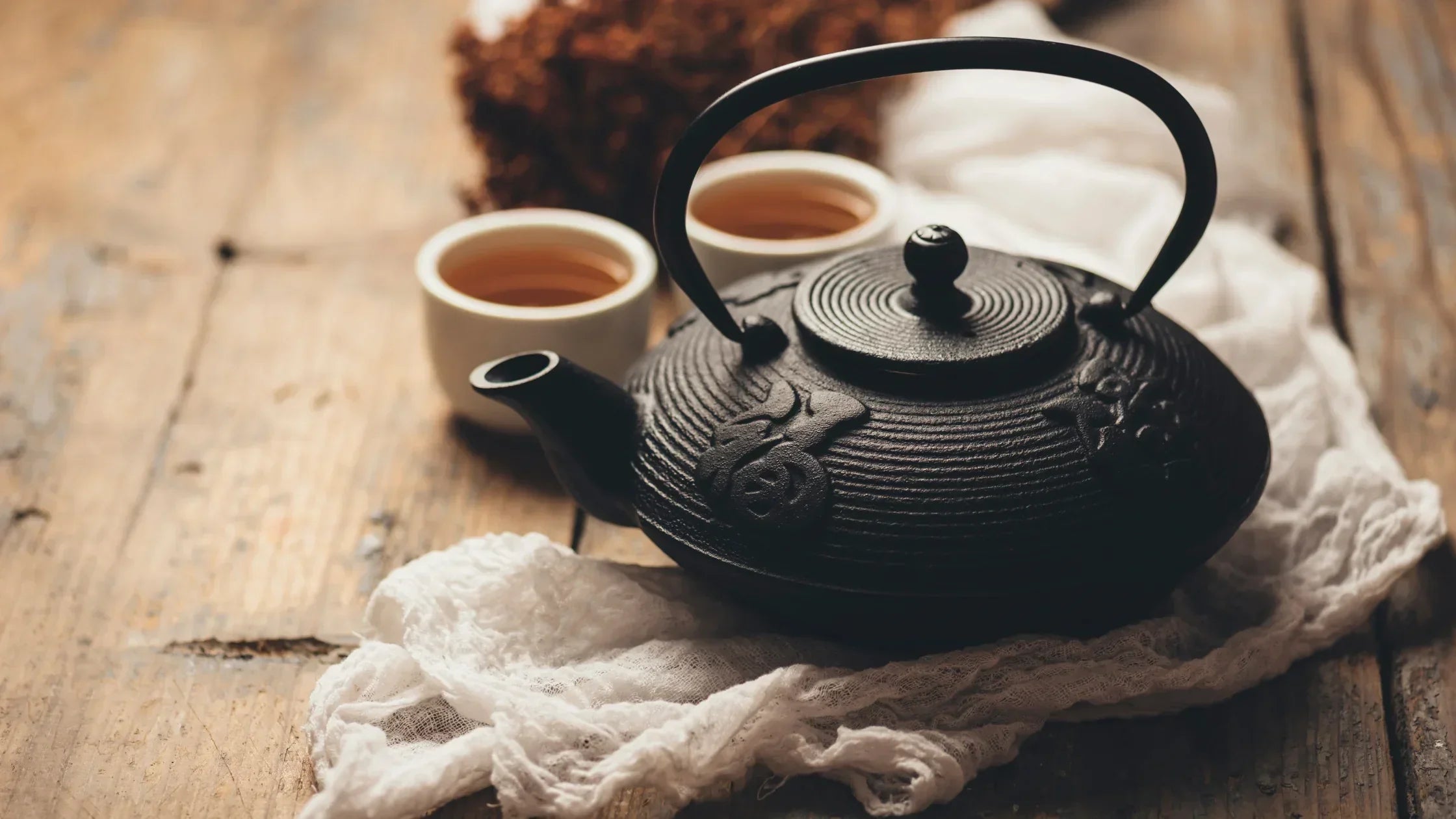
In a world where so many everyday items are mass-produced and disposable, traditional Japanese products offer a different approach. Whether it's a handcrafted Japanese teapot, a beautifully glazed ceramic bowl, a solid wood storage chest, or a handmade washi paper lamp, these pieces are made with longevity in mind.
That's one of the things people love most about Japanese craftsmanship. These aren't just decorative objects—they're items designed to be used, appreciated, and cared for every day. With a little attention, many can last for decades, and some are even passed down from one generation to the next.
If you're looking to create a home filled with timeless pieces rather than disposable trends, here's why authentic Japanese home goods are such a worthwhile investment.
Read moreabout The Lifespan of Traditional Japanese Products
Transforming a Western Room with Japanese Design
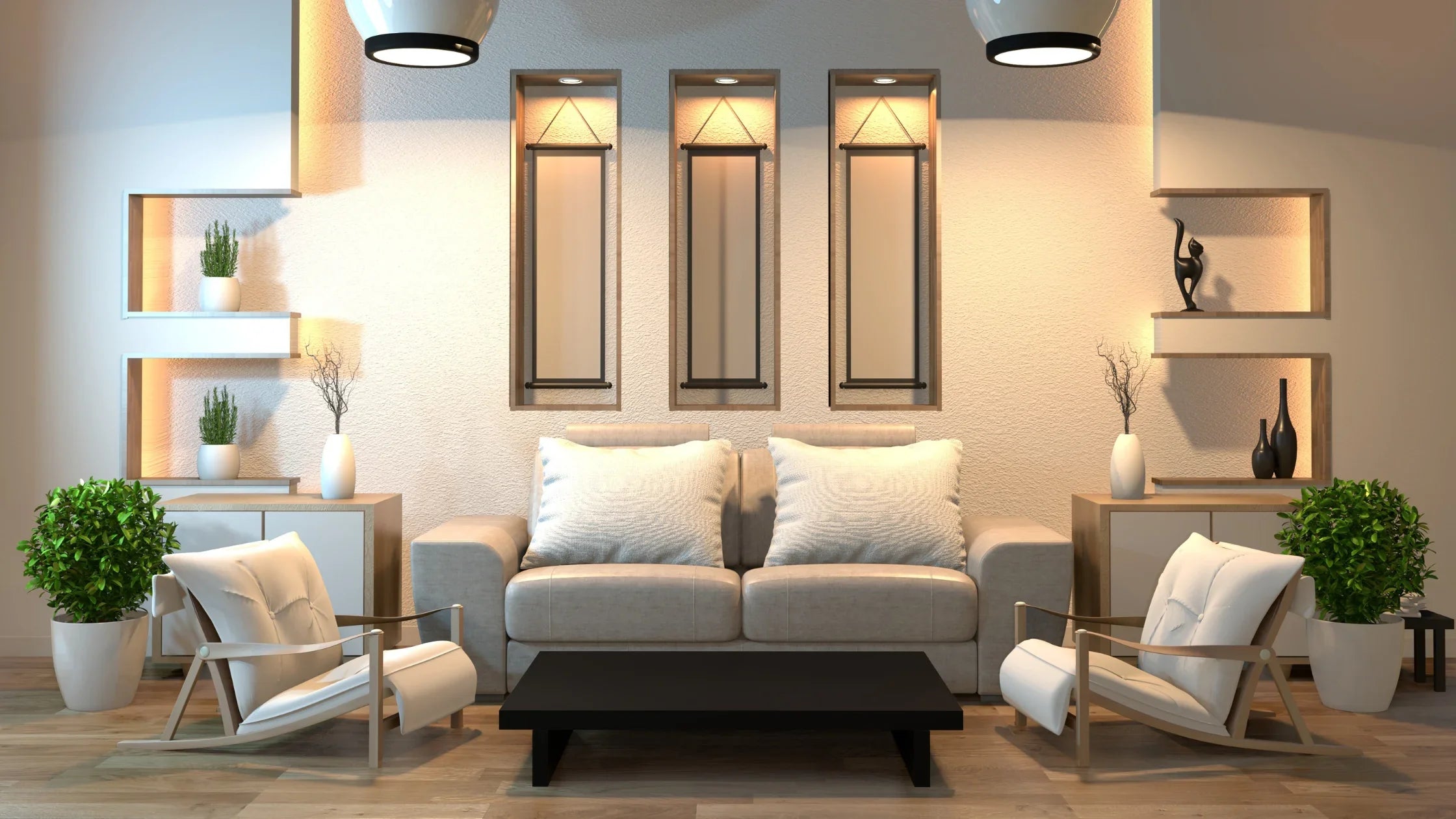
There's something special about walking into a room that instantly helps you slow down. It's quiet without feeling empty, beautiful without trying too hard, and every piece seems like it belongs. That's the appeal of Japanese interior design.
Many people assume you need to live in a traditional Japanese home to achieve this look, but that's simply not true. In fact, some of the most beautiful Japanese-inspired living rooms begin as completely ordinary Western spaces.
In this entry, we'll show you how a typical living room was transformed using timeless Japanese room design principles. Along the way, we'll share simple ideas that anyone can use—whether you're planning a full renovation or just looking for a few carefully chosen pieces to bring more warmth and balance into your home.
Read moreabout Transforming a Western Room with Japanese Design
Small Details That Make a Home Feel Authentically Japanese
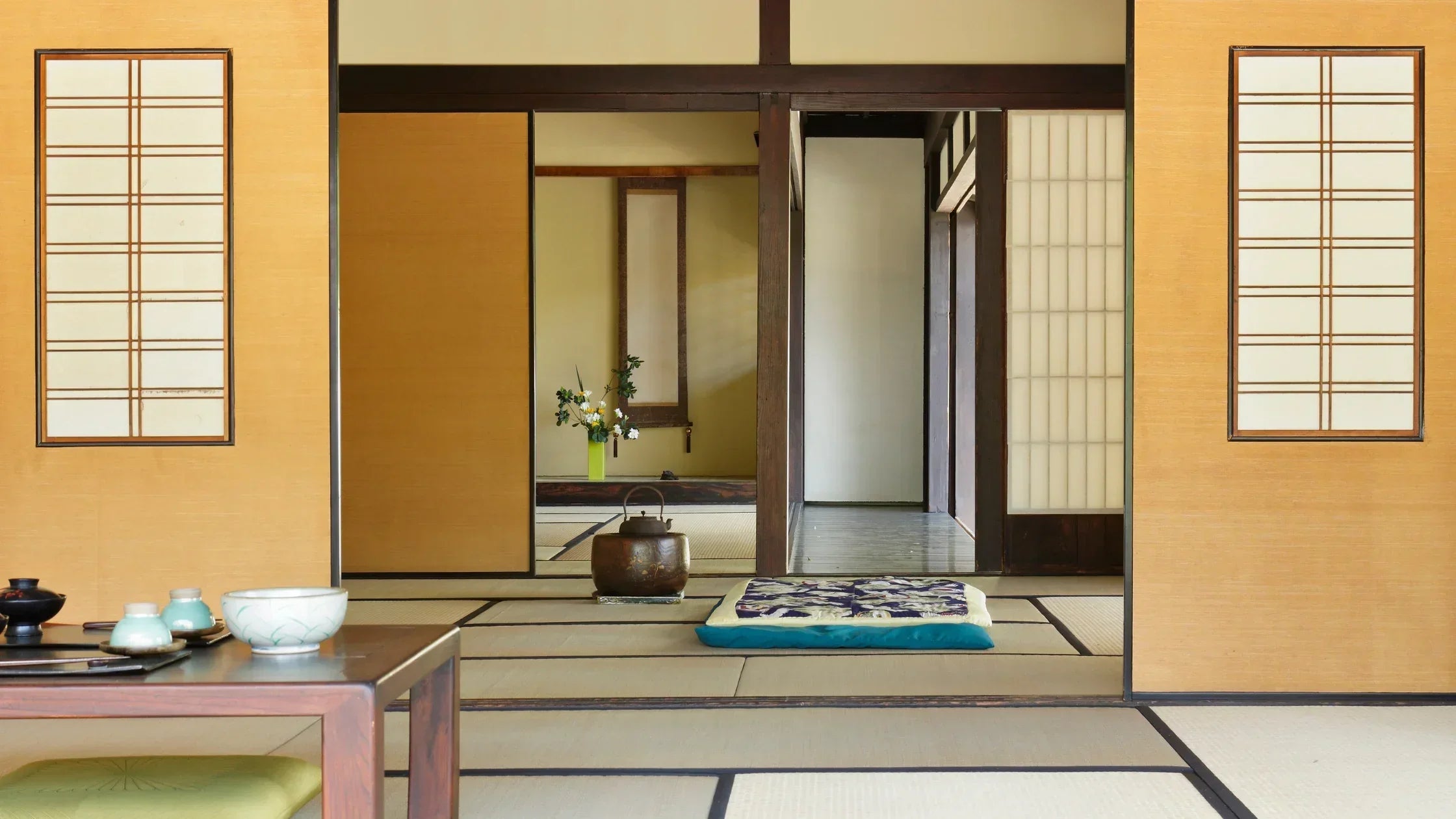
When people think of Japanese interiors, they often picture minimalist rooms, light wood furniture, and perfectly tidy spaces. While those elements certainly play a role, they're not what make a home feel authentically Japanese.
The real magic is found in the details.
It's the ceramic teacup you reach for every morning. The way afternoon light filters through a linen curtain. The small branch clipped from the garden and placed in a simple vase. These thoughtful touches create a feeling that goes beyond decor—a sense of calm, comfort, and connection to everyday life.
That's why some of the most beautiful Japanese-inspired homes don't look like showrooms at all. They feel lived in. Collected over time. Filled with objects chosen with care rather than impulse.
If you're drawn to Japanese aesthetics, here are some of the small details that can help bring that feeling into your own home.
Read moreabout Small Details That Make a Home Feel Authentically Japanese
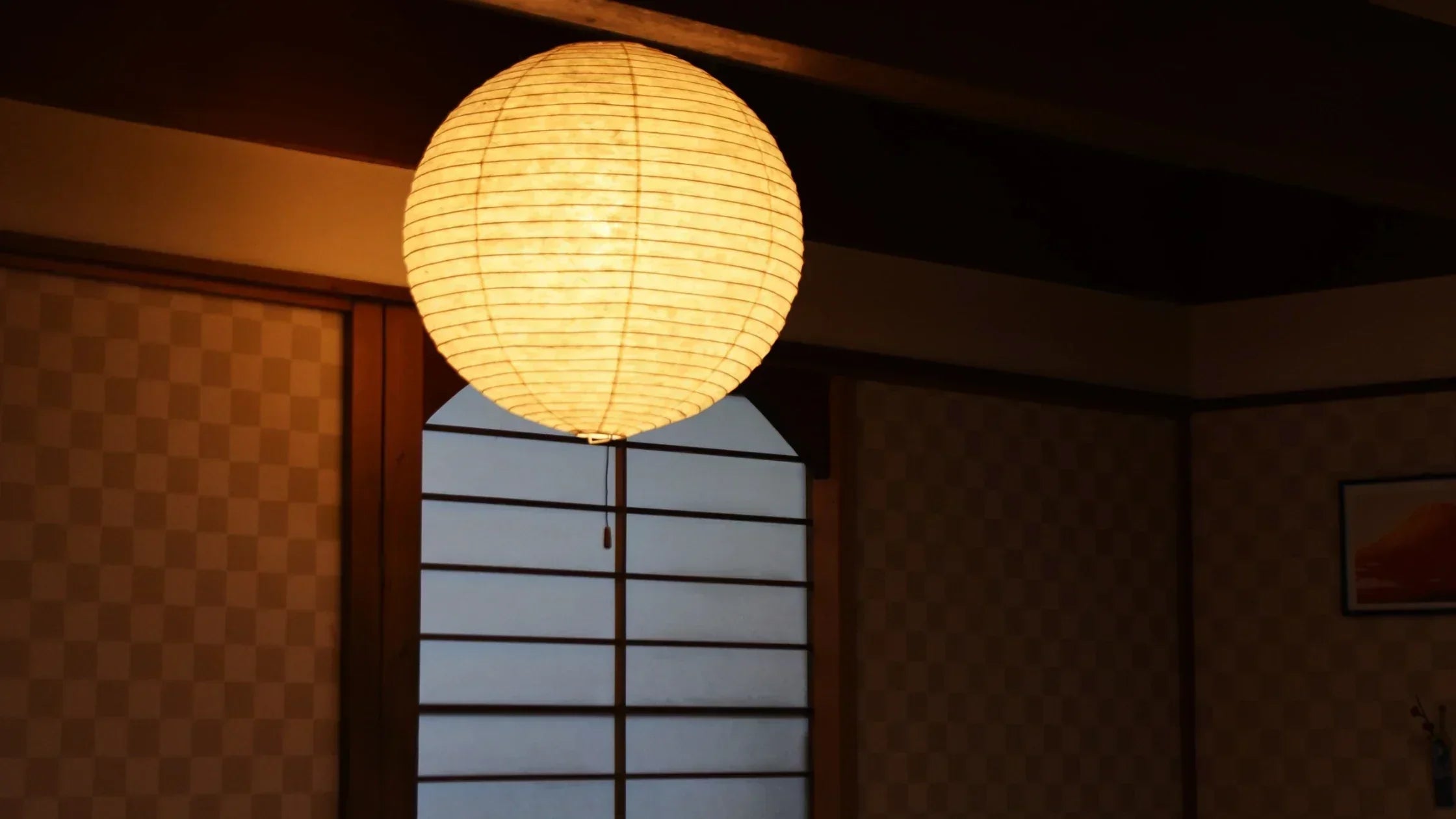
Lighting Placement Secrets from Japanese Interiors
There’s something instantly calming about Japanese interiors. The rooms feel warm, balanced, and peaceful without trying too hard. While most people notice the minimalist furniture or natural wood finishes first, the real magic often comes from the lighting.
In Japanese homes, lighting isn’t just practical — it’s part of the atmosphere. The placement, softness, and layering of light can completely change how a space feels. Instead of flooding a room with bright overhead fixtures, Japanese interiors use lighting in a much quieter, more intentional way.
If you love boutique Japanese home décor, Japandi interiors, or minimalist styling, learning a few Japanese lighting placement techniques can help your home feel softer, cozier, and far more elevated.
Read moreabout Lighting Placement Secrets from Japanese Interiors
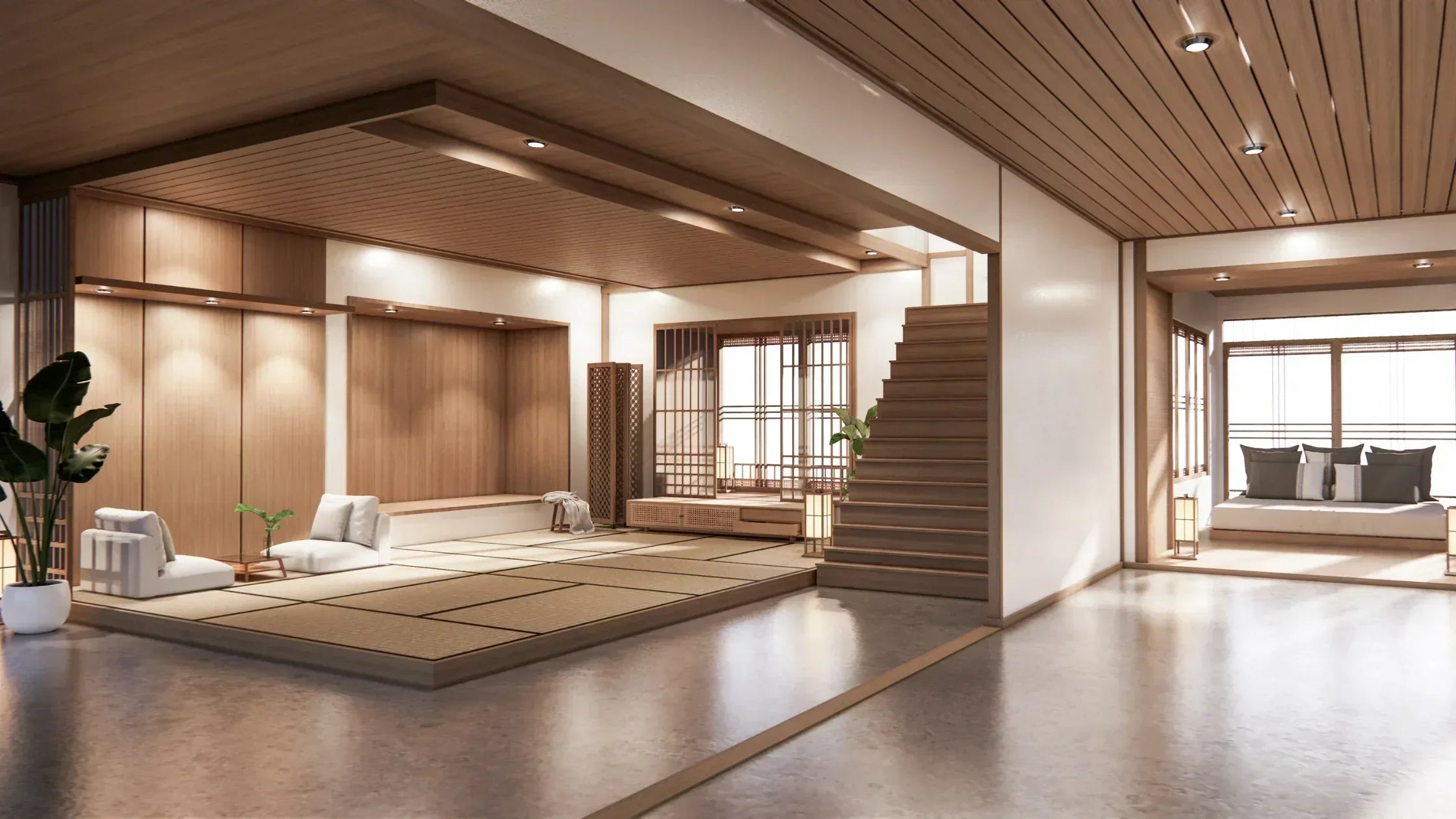
How to Mix Modern and Traditional Japanese Design
There’s something special about Japanese interiors that people instantly connect with. Maybe it’s the calm feeling, the natural materials, or the way every piece seems intentional without trying too hard. Whatever it is, Japanese design has become one of the biggest influences in modern interiors — especially for homeowners looking to create a space that feels warm, minimal, and timeless.
The good news is you don’t need a traditional ryokan or a fully Zen-inspired house to bring this look into your home. Some of the most beautiful spaces today mix modern Japanese interior design with traditional Japanese décor in a way that feels relaxed, lived-in, and personal.
If you love boutique Japanese home goods, handcrafted ceramics, natural wood accents, or minimalist interiors with character, here’s how to blend modern and traditional Japanese style in a way that feels effortless.
Read moreabout How to Mix Modern and Traditional Japanese Design
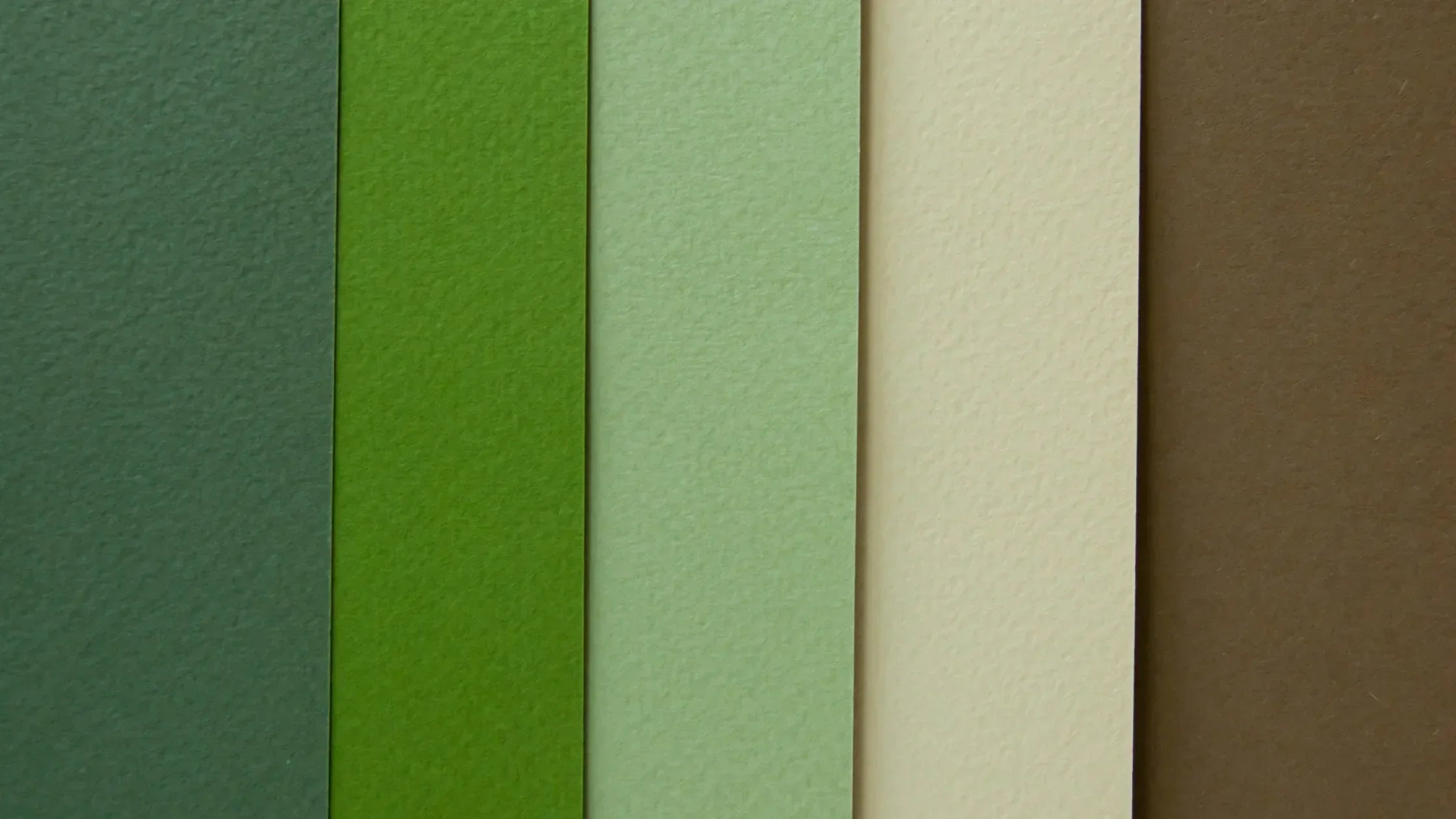
Subtle Color Palettes Inspired by Traditional Japan
If you’ve ever walked into a beautifully curated Japanese-inspired space and immediately felt calmer, there’s a good chance the colors had a lot to do with it. Traditional Japanese color palettes aren’t loud or attention-seeking—they’re soft, layered, and incredibly intentional. And honestly, that’s exactly why they work so well in modern homes, especially if you love boutique Japanese home goods and that effortlessly refined look.
Let’s break down what makes these subtle color palettes so special—and how you can actually use them in your own space without overthinking it.
Read moreabout Subtle Color Palettes Inspired by Traditional Japan

Choosing the Right Wood Tones for a Japanese Interior
When you think about a Japanese-inspired home, it’s not really about filling the space—it’s about how the space feels. Calm, grounded, a little bit effortless. And more often than not, that feeling comes down to one thing: wood.
If you’re shopping for boutique Japanese home goods or trying to bring that aesthetic into your own space, getting the wood tones right makes a huge difference. The good news? You don’t need to be an interior designer to figure it out—you just need a good eye and a bit of intention.
Let’s walk through it in a way that actually makes sense.
Read moreabout Choosing the Right Wood Tones for a Japanese Interior
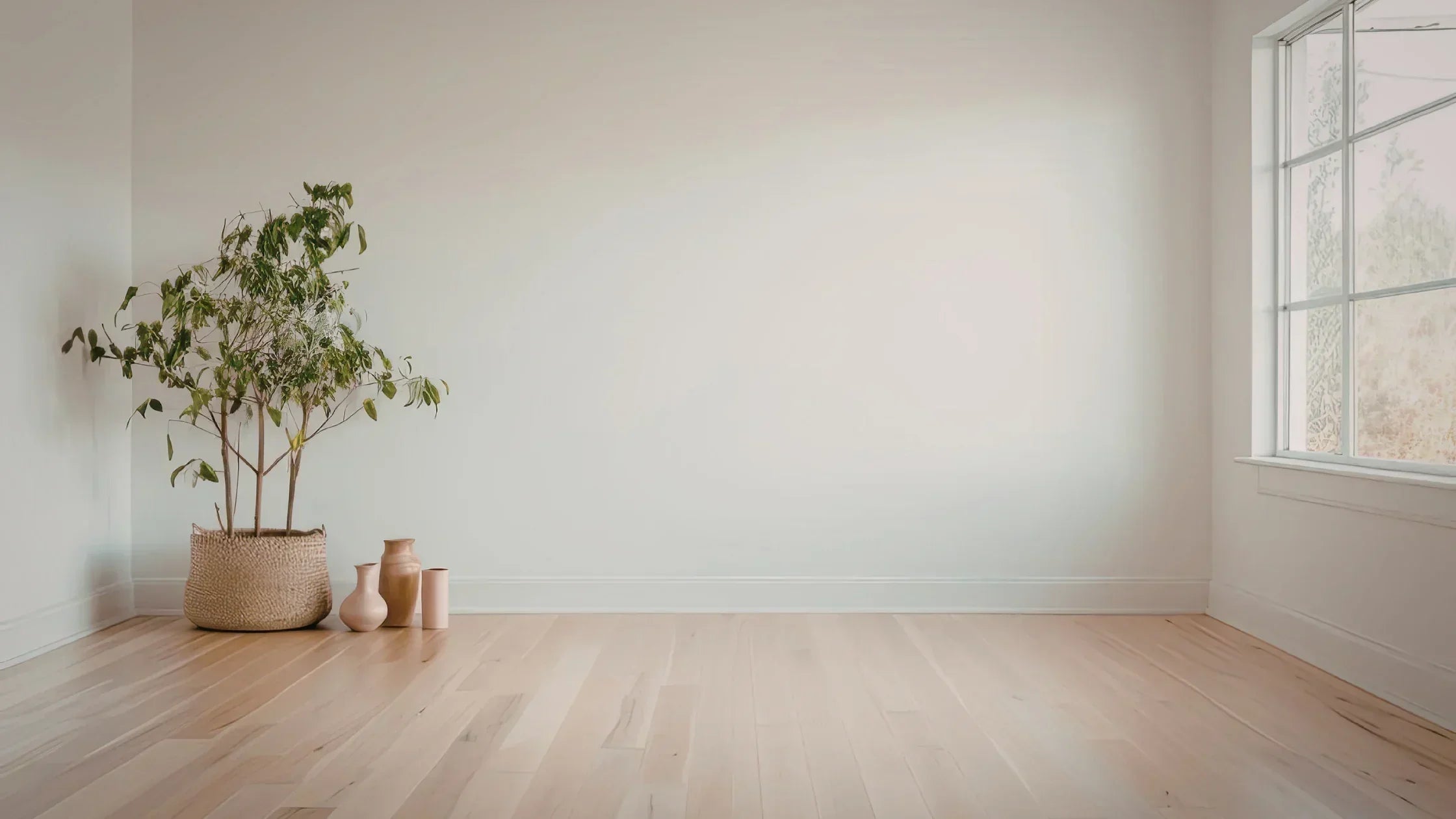
How Japanese Homes Use Negative Space Effectively
If you’ve ever walked into a thoughtfully designed Japanese home—or even browsed boutique Japanese home goods—you’ve probably felt it right away. That calm, airy, almost effortless vibe. Nothing feels crowded. Nothing feels random. And somehow, even the simplest room feels beautiful.
A big part of that feeling comes down to something surprisingly simple: negative space.
Instead of filling every inch of a room, Japanese interior design leans into space itself. And once you notice it, you start to see how powerful it really is.
Let’s break down how it works—and how you can bring that same energy into your own home.
Read moreabout How Japanese Homes Use Negative Space Effectively