

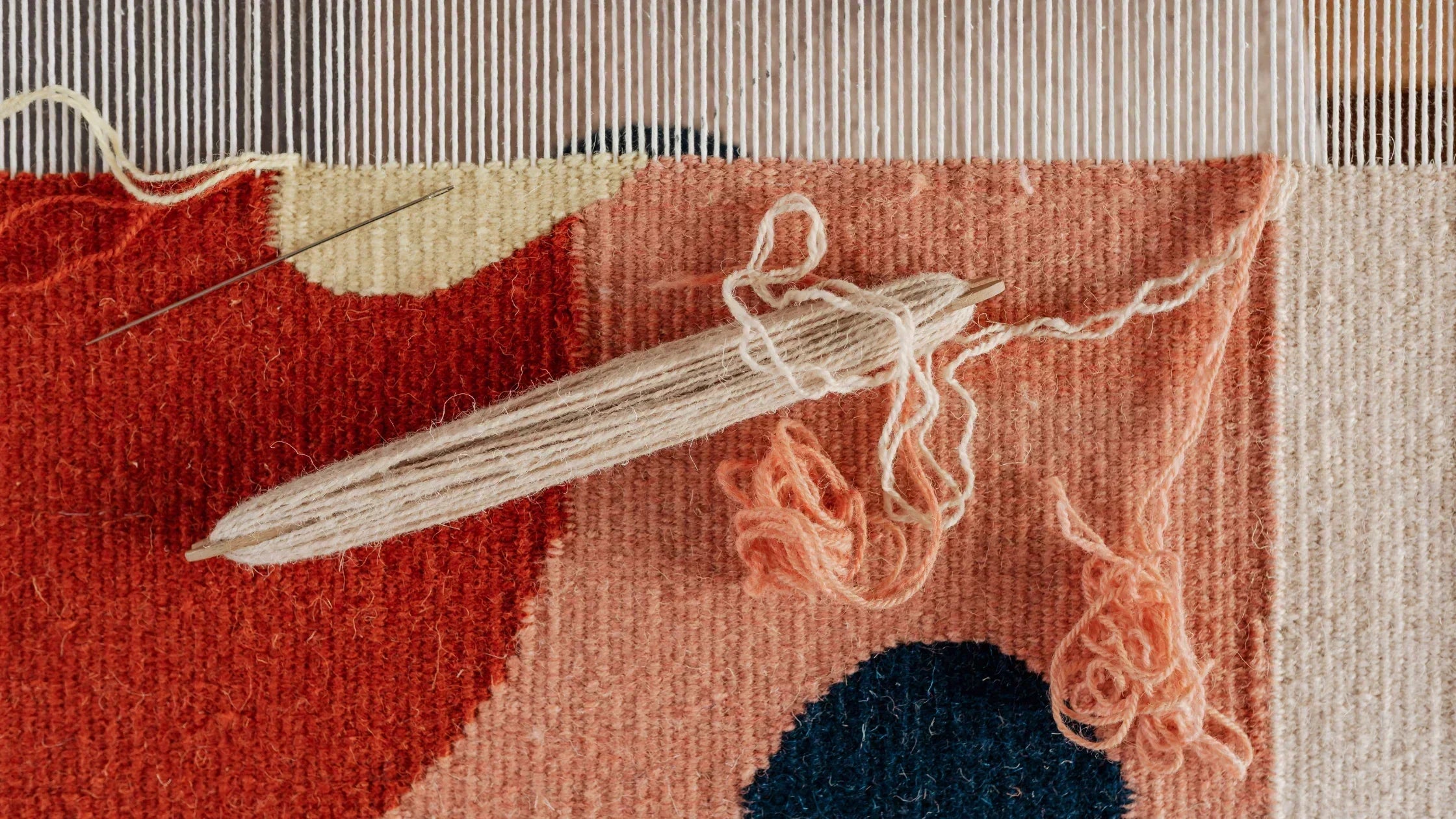
Japanese textiles have this quiet magic about them. They’re beautiful without trying too hard, detailed without feeling busy, and they bring instant warmth to modern spaces. If you love clean interiors but want your home to feel more layered and personal, Japanese fabrics are one of the easiest upgrades you can make.
From hand-stitched sashiko to deep indigo-dyed cotton, these textiles fit perfectly with today’s biggest interior trends—Japandi style, wabi-sabi design, and sustainable home decor. The best part? You don’t need a full redesign to make them work.
Here are five stylish, practical ways to use Japanese textiles in modern interiors.
1. Make a Statement with Japanese Textile Wall Hangings
If your walls are feeling a little flat, Japanese fabric wall art is a beautiful place to start. Think vintage kimono panels, indigo-dyed cloth, or simple noren-style hangings.
Unlike traditional framed prints, textile wall hangings add softness and texture. They’re especially perfect for minimalist homes where you want visual interest without clutter. A single indigo textile can warm up a white wall instantly.
Styling tips:
-
Go for one larger piece instead of many small ones
-
Stick with natural fibers like cotton or linen
-
Pair with simple wood or black frames
This look works beautifully in Japandi interiors and wabi-sabi inspired spaces where calm, organic materials take center stage.

2. Refresh Your Sofa with Japanese Throw Pillows
If you want an easy, low-risk update, start with Japanese textile pillows. They’re small but surprisingly impactful.
Sashiko cushions, kasuri patterns, or repurposed kimono fabrics can instantly elevate a neutral sofa or bed. Because most Japanese textiles use muted, earthy tones, they blend effortlessly into modern interiors.
This is why they’re so popular in boutique Japanese home goods collections — they add character without overpowering your space.
How to style them:
-
Mix solid neutrals with one or two patterned pillows
-
Stick to indigo, soft browns, warm grays, and off-whites
-
Don’t overdo it — negative space is your friend
Even one well-made pillow can make your living room feel more curated and intentional.

3. Use Noren Curtains for a Soft, Modern Divider
Noren curtains are one of the most underrated Japanese home decor pieces. Traditionally used in Japanese homes and shops, they’re fabric panels split down the middle that hang in doorways.
In modern interiors, they’re incredibly versatile.
You can use noren as:
-
Lightweight room dividers
-
Closet or pantry covers
-
Kitchen doorway curtains
-
Entryway accents
They’re especially great in small apartments where swinging doors feel bulky. Noren keep spaces feeling open while still creating separation.
To keep the look modern:
-
Choose simple patterns or solid indigo
-
Use a slim, minimal rod
-
Pair with neutral walls and natural wood
If you love functional minimalism, this is an easy win.

4. Add Character with Japanese Textile Upholstery
Ready for something a bit more design-forward? Try incorporating Japanese textiles through small upholstery projects.
Reupholstering a bench, dining chair seat, or headboard with sashiko fabric or indigo cotton creates a beautiful high-low mix. It’s one of those details that makes a space feel thoughtfully designed rather than straight out of a catalog.
Popular choices include:
-
Sashiko-stitched cotton
-
Indigo-dyed fabric
-
Vintage boro textiles
-
Kasuri weaves
Because these fabrics are often richly textured, they work best as accent pieces. One statement chair in Japanese textile can anchor an entire modern living room.
Pro tip: Keep surrounding furniture clean-lined so the textile really shines.

5. Layer in Japanese Textile Table Linens and Accessories
Sometimes the smallest pieces make the biggest difference. Japanese textile table runners, placemats, and furoshiki cloths are perfect for adding subtle depth to your home.
An indigo table runner on a simple wood dining table? Instantly elevated. A furoshiki used as a tray liner or wrapped storage bundle? Effortlessly curated.
These pieces also appeal to buyers looking for sustainable home decor, since many Japanese textiles are reusable and made from natural fibers.
Easy ways to use them:
-
Style an indigo runner on your dining or console table
-
Use furoshiki for beautiful, reusable gift wrap
-
Line trays or shelves with small textile pieces
-
Mix with ceramics and natural wood
The key is repetition — echo similar tones around the room so everything feels connected.

Why Japanese Textiles Fit So Naturally in Modern Homes
There’s a reason Japanese textiles are having such a moment in interior design. They check a lot of boxes that today’s homeowners care about.
They’re:
-
Craft-driven — many are handmade using traditional techniques
-
Naturally beautiful — cotton, hemp, and silk age gracefully
-
Subtle but interesting — patterns add depth without noise
-
Aligned with wabi-sabi — perfectly imperfect in the best way
In a world full of mass-produced decor, these textiles bring authenticity and soul into a space. That’s exactly what many boutique Japanese home goods shoppers are looking for.

Final Thoughts
You don’t need to overhaul your entire home to start using Japanese textiles. Begin with one thoughtful piece — maybe an indigo pillow, a noren curtain, or a simple table runner — and build from there.
The magic happens in the layering. As you mix traditional Japanese fabrics with clean modern lines, your space starts to feel more collected, more personal, and more quietly sophisticated.
If you’re drawn to interiors that feel calm, tactile, and intentionally designed, Japanese textiles are one of the most rewarding additions you can make. Start small, choose quality pieces, and let the craftsmanship speak for itself.
Share:
The Rise of Contemporary Japanese Furniture Design
The Psychology Behind Japanese Minimalist Spaces