

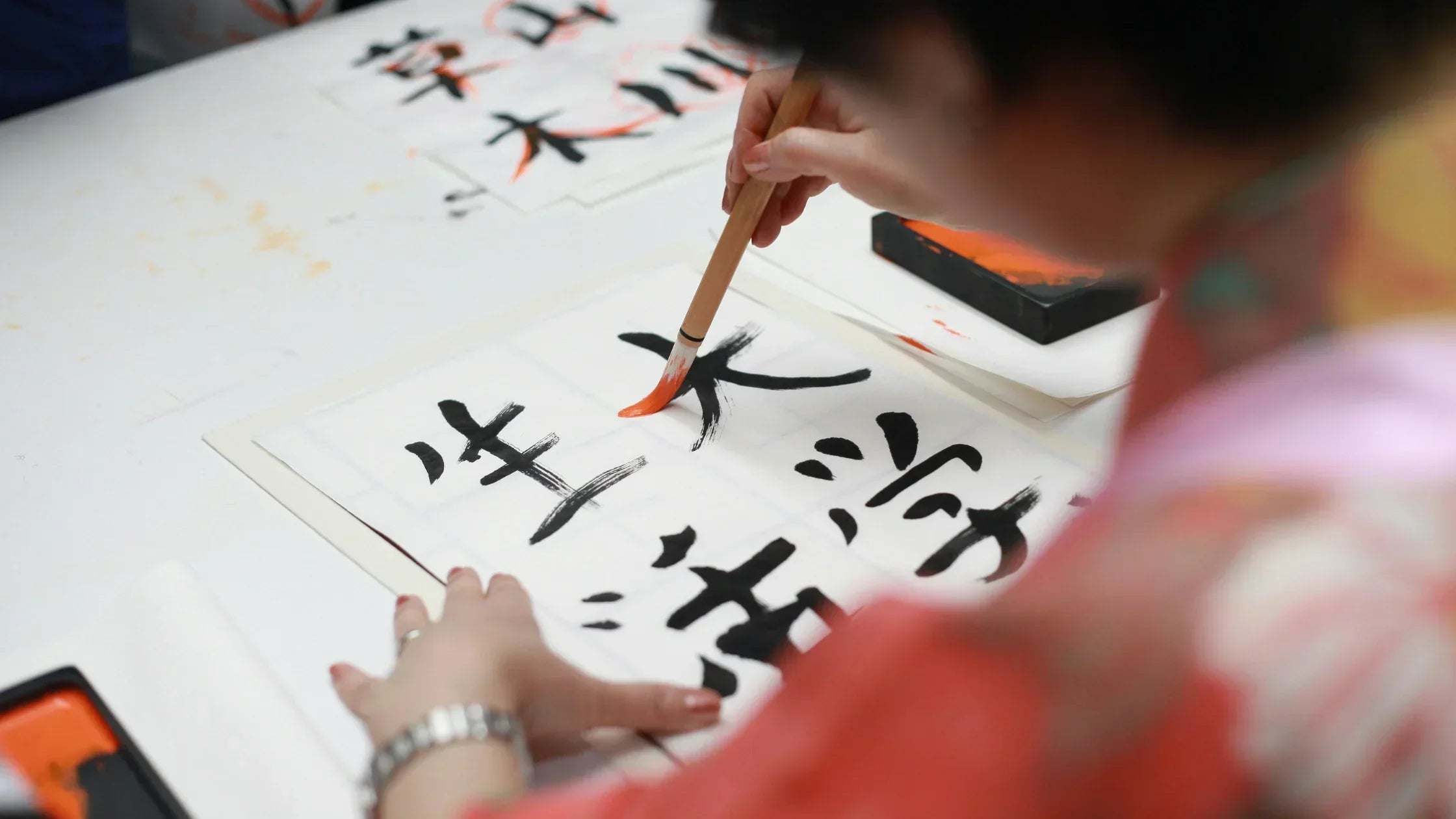
If you’ve ever admired the clean, effortless beauty of handwritten Japanese characters—or seen a piece of calligraphy framed in a minimalist home and thought Wow, that looks peaceful—you’re already feeling the pull of shodō, or Japanese calligraphy.
Shodō is one of those timeless Japanese arts that blends simplicity, craftsmanship, and intention. Whether you’re into slow living, mindful routines, or beautifully made tools, calligraphy offers a calming ritual that fits right into a carefully curated home or workspace.
In this guide, we’ll break down the essential tools, brush techniques, and a few tips to help you get started. Think of it as your friendly intro to a craft that’s been loved for centuries—no pressure, no perfection required.
What Makes Shodō So Special?
Shodō literally means “the way of writing,” and that’s the perfect description. It’s not just about writing characters like kanji and hiragana—it’s about slowing down and letting your mind settle into each stroke.
When you practice Japanese calligraphy, your brush reveals everything: your mood, your breath, your confidence. It’s both artistic and meditative, which is why so many people use it as a grounding ritual in their home, much like making tea or arranging flowers.

The Essential Tools (Beautiful Enough to Display)
One of the reasons calligraphy appeals to lovers of boutique Japanese home goods is the tools themselves. They’re elegant, natural, and thoughtfully designed—perfect for a shelf, desk, or craft corner.
Here are the items you’ll use when practicing shodō:
1. Fude (Brush)
The fude brush is your main tool. Brushes come in different sizes and materials, usually using natural hair.
-
Soft brushes feel gentle and create smooth, flowing strokes.
-
Firmer brushes give you cleaner, more structured lines.
A medium-sized brush is perfect for beginners and looks great stored in a ceramic brush holder.
2. Sumi Ink
You can choose between:
-
Traditional sumi ink sticks, which you grind with water
-
Ready-made bottled sumi ink, which is super easy for everyday practice
Grinding an ink stick on an inkstone is surprisingly calming and adds a lovely ritual to your practice.
3. Suzuri (Inkstone)
The suzuri is where you grind and mix your ink. A good inkstone has a satisfying weight and a smooth surface—something that feels good to use and nice to display.
4. Washi Paper
Washi or hanshi paper is thin, soft, and highly absorbent. It helps the ink spread naturally, giving each stroke that iconic Japanese calligraphy look.
Bonus Tools
-
Shitajiki (felt mat): keeps your lines clean
-
Bunchin (paperweight): a simple, beautiful accessory
-
Water dropper: helps you mix the perfect ink consistency
Many people collect these tools as objects of beauty as much as for practical use.

Basic Brush Techniques (Simple and Relaxing)
You don’t need formal training to start learning Japanese calligraphy. Getting the hang of a few basic techniques will help you enjoy the process and create characters that feel balanced and expressive.
Hold the Brush Upright
Keep the brush vertical so the bristles spread naturally on the paper. It’s a comfortable position once you get used to it—and it creates smoother, cleaner strokes.
Play With Pressure
Press gently for thin, graceful lines.
Press more firmly for bold, dramatic strokes.
Learning to shift pressure within a single stroke is part of what makes shodō so fun and expressive.
Follow Stroke Order
Japanese characters have a traditional stroke order—usually top to bottom, left to right. Following these rules helps you create balanced shapes that feel calm and intentional.
Find Your Rhythm
Your brushwork will naturally reflect your pace. Try matching your strokes with slow, steady breathing. It calms the mind and gives your writing a beautiful flow.

Writing Kanji and Kana
Beginners usually start with simple hiragana characters, which are curved and fluid. They’re perfect for practicing control and smooth motion.
Once you’re comfortable, move on to kanji, which often carry meaningful concepts—like 和 (harmony), 夢 (dream), or 静 (quiet). Writing kanji with a brush helps you understand the structure of the character in a whole new way.
Many people enjoy framing their favorite kanji as home décor, especially in spaces inspired by Japanese minimalism.

Different Styles of Calligraphy
There are three main styles in shodō, each with its own personality:
Kaisho (Standard Style)
Neat, simple, and structured—great for learning.
Gyōsho (Semi-Cursive)
A bit looser and more expressive, like natural handwriting.
Sōsho (Cursive Style)
Highly stylized and flowing—almost like abstract art.
Experimenting with styles is part of the fun and helps you find your personal aesthetic.

Tips for a Smooth Start
Here are a few things that make learning Japanese calligraphy more enjoyable:
-
Create a calm workspace. Even a small corner works.
-
Warm up with basic strokes. Lines, dots, curves—just like doodling.
-
Practice the same character a few times. You’ll notice your strokes getting more confident.
-
Try high-quality tools. They last longer and genuinely elevate the experience.
-
Enjoy the ritual. Grinding ink, setting the paper, adjusting your breath—it’s all part of the charm.

Why Calligraphy Fits Beautifully Into Modern Living
In today’s busy world, Japanese calligraphy offers a small moment of slowness. It’s creative, meditative, and visually peaceful—perfect for anyone who loves thoughtful details and handcrafted objects.
Adding shodō to your home routine can feel like a reset button. The tools themselves bring a natural, artisan touch to your space, and the practice helps balance your day with calm, focused energy.
Whether you’re writing for relaxation, creativity, or simply to learn something new, shodō is a timeless art that feels fresh and meaningful in modern life.
Share:
What Is Furoshiki? The Art of Japanese Gift Wrapping
Seasonal Japanese Décor Ideas for Autumn