

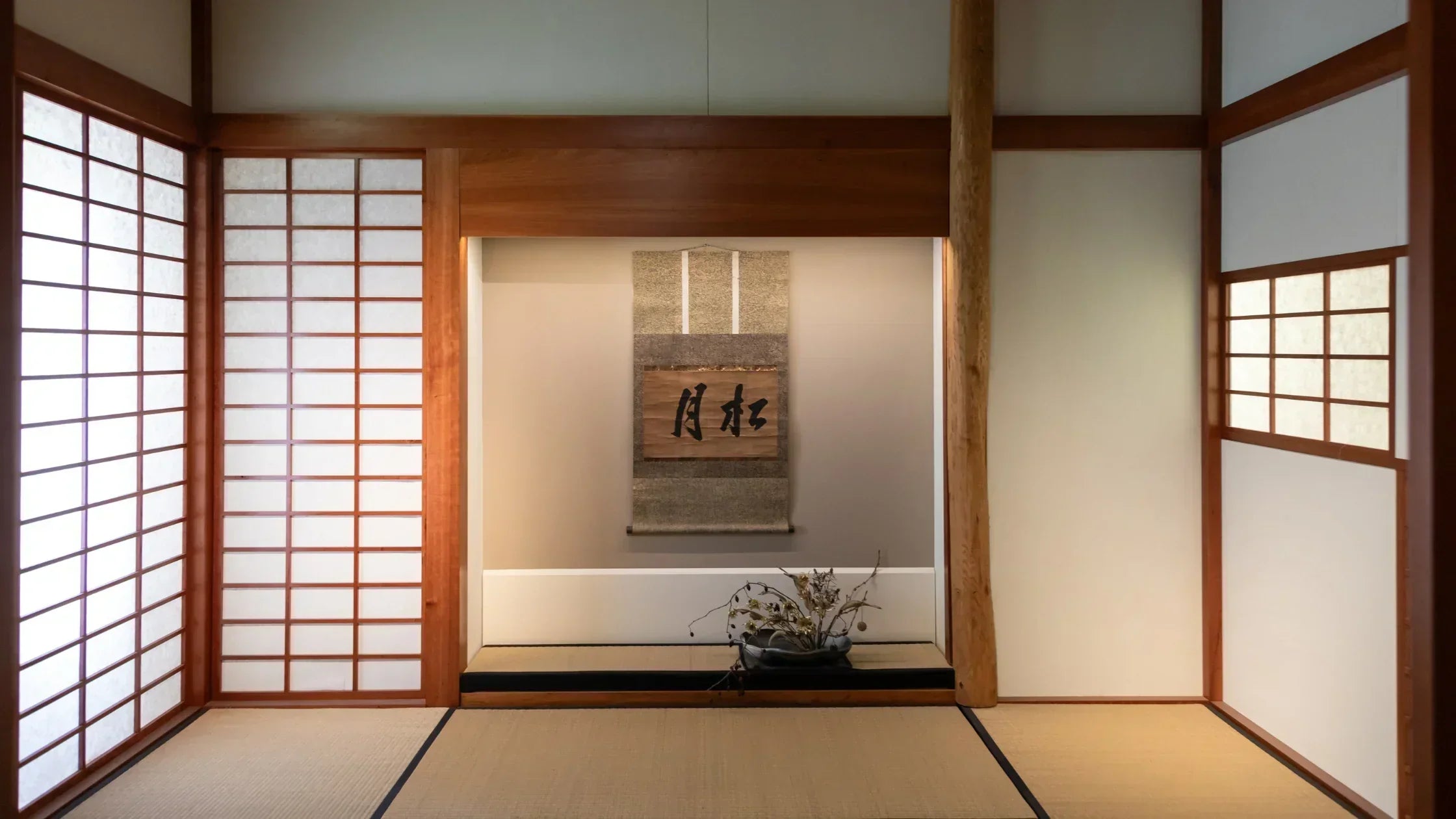
When you look at beautifully crafted Japanese home goods—whether it’s a handmade ceramic bowl, a linen wall hanging, or a carefully arranged shelf—you might notice something: nothing feels forced, yet everything feels just right.
That sense of quiet balance isn’t accidental. It comes from a set of design ideas rooted in Japanese composition rules—principles that have been shaping art, interiors, and objects for centuries.
The good news? You don’t need to be a designer to use them. Whether you're styling your home, choosing decor, or simply appreciating well-made pieces, these ideas can help you create a space that feels calm, intentional, and effortlessly beautiful.
It Starts with a Different Idea of “Balance”
In a lot of Western design, balance usually means symmetry—matching things on both sides. But Japanese composition takes a softer approach.
Instead of asking, “Is this perfectly even?”, it asks:
- Does this feel natural?
- Does this feel calm?
- Does this feel alive?
That shift in mindset is what makes Japanese-inspired spaces feel so relaxed and inviting.

1. Let Things Be a Little Uneven
One of the core ideas is asymmetry—or intentionally not making things match perfectly.
Think about a shelf:
- Instead of placing two identical vases side by side, try one taller vase and one smaller object.
- Leave a little empty space on one side.
- Let things feel slightly off—but still balanced.
This creates a more organic, lived-in feeling. It’s the difference between a showroom and a home.

2. Don’t Be Afraid of Empty Space
This is a big one. In Japanese design, empty space isn’t “empty”—it’s meaningful.
That breathing room is what makes each object stand out.
Instead of filling every corner:
- Let your favorite ceramic piece sit on its own.
- Leave space between objects on a table or shelf.
- Allow your walls to rest without constant decoration.
This idea (often called ma) is what gives boutique Japanese home goods that calm, uncluttered look people love.

3. Keep It Simple (But Not Boring)
Minimalism gets talked about a lot, but here it’s less about having less stuff and more about choosing the right stuff.
Ask yourself:
- Do I really love this piece?
- Does it add something to the space?
If the answer is no, it might not belong.
A single well-made item—like a hand-thrown bowl or a textured linen cloth—can say more than a dozen decorative pieces.

4. Choose Natural Materials and Textures
Japanese-inspired spaces tend to feel grounded because they lean into nature.
Think:
- Wood with visible grain
- Soft, slightly wrinkled fabrics
- Handmade ceramics with subtle imperfections
These textures add warmth without needing bold colors or busy patterns. They also age beautifully, which makes them perfect for long-term use.

5. Leave a Little Mystery
Not everything needs to be obvious or perfectly styled.
Sometimes the most beautiful setups are the ones that feel a bit undone:
- A cloth draped casually instead of folded perfectly
- A stack of dishes that aren’t perfectly aligned
- A piece that’s partially tucked or layered
This creates a sense of depth and curiosity—it invites people to look a little closer.

6. Use Contrast to Create Balance
Even in calm, minimal spaces, contrast plays a quiet but important role.
You might try:
- A dark ceramic bowl on a light wooden table
- A rough texture next to something smooth
- A bold shape paired with something delicate
These small contrasts keep things interesting without overwhelming the space.

7. Loosen Up the “Rules”
You’ve probably heard of the rule of thirds in photography or design. Japanese composition uses similar ideas—but more loosely.
Things don’t have to be perfectly aligned to look good.
In fact:
- Slightly off-center often feels more natural
- Imperfect placement can feel more relaxed
- “Almost balanced” is often more appealing than “perfectly balanced”

8. Embrace Imperfection (This Is a Big One)
One of the most loved ideas in Japanese aesthetics is the beauty of imperfection.
That might look like:
- A glaze that varies slightly on a ceramic cup
- A tiny asymmetry in a handmade object
- A texture that feels raw or unfinished
These details aren’t flaws—they’re what give a piece its character.
And when you bring those pieces into your home, they make the space feel more human and less staged.

9. Think About Flow, Not Just Placement
Instead of focusing on individual objects, think about how your eye moves through a space.
Ask yourself:
- Does this feel calm to look at?
- Do my eyes move naturally from one object to another?
You can guide that flow by:
- Spacing things thoughtfully
- Avoiding cluttered clusters
- Letting one focal point stand out at a time

10. Everything Should Feel Connected
Finally, the magic comes from how everything works together.
Even if your items are different, they should share something in common:
- Similar tones or colors
- Natural materials
- A consistent mood or feeling
This creates harmony without making everything look the same.

Bringing It Into Your Home
You don’t need to redesign your entire space to use these ideas. Start small:
- Clear one surface and restyle it with fewer, more meaningful pieces
- Swap out overly polished items for something handmade or textured
- Add one statement piece and give it room to breathe
If you’re drawn to boutique Japanese home goods, chances are you already appreciate this style. These composition ideas just help you bring it to life in a more intentional way.

Final Thoughts
At the heart of Japanese composition is a simple idea: beauty doesn’t have to be loud to be powerful.
By embracing asymmetry, leaving space, and choosing pieces with care, you can create a home that feels calm, balanced, and deeply personal.
It’s not about getting everything “just right.”
It’s about creating a space that feels right to you.
And often, that comes from doing a little less—not more.
Share:
The Philosophy of Quiet Luxury in Japanese Homes
How Japanese Homes Use Negative Space Effectively