

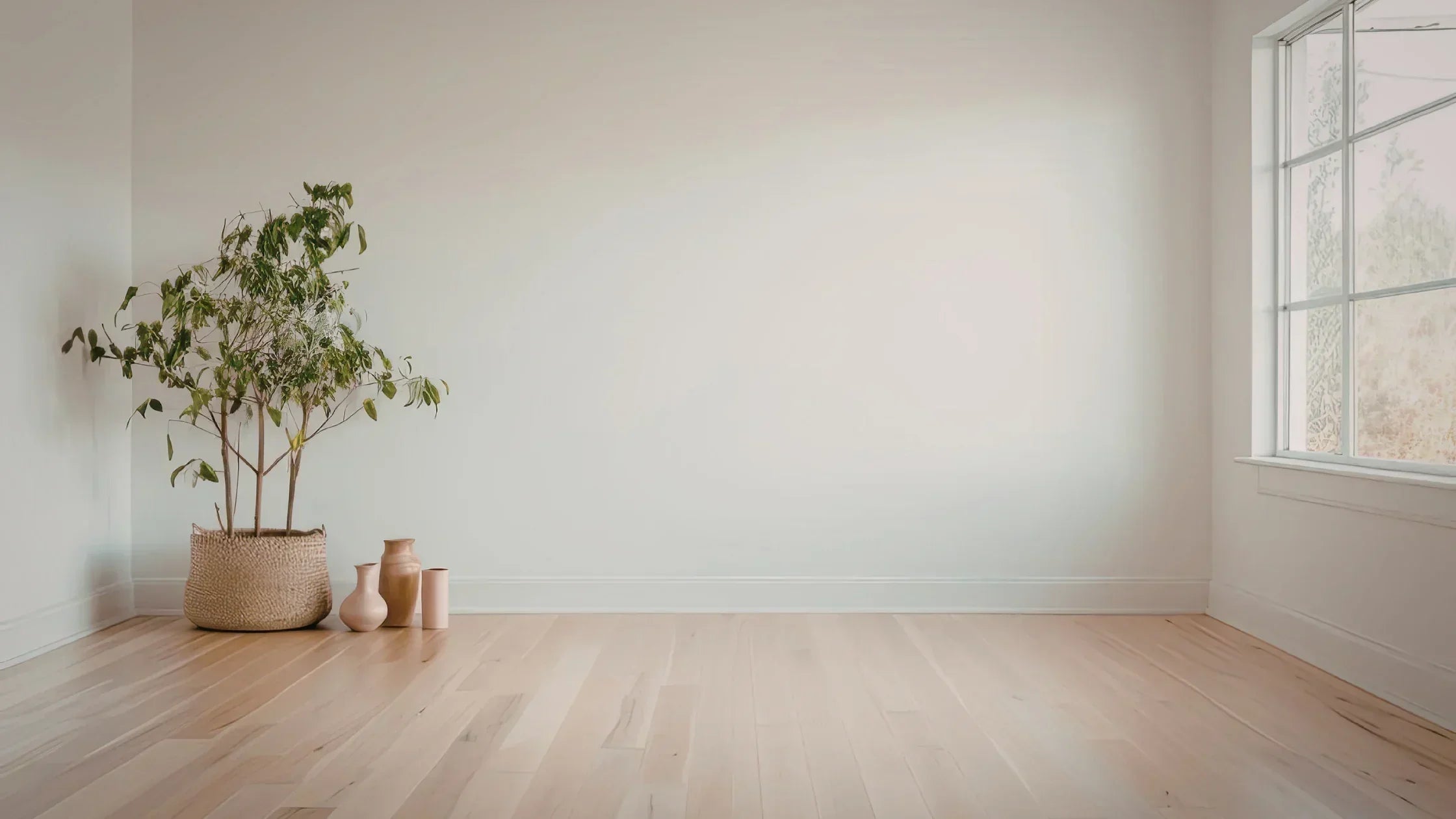
If you’ve ever walked into a thoughtfully designed Japanese home—or even browsed boutique Japanese home goods—you’ve probably felt it right away. That calm, airy, almost effortless vibe. Nothing feels crowded. Nothing feels random. And somehow, even the simplest room feels beautiful.
A big part of that feeling comes down to something surprisingly simple: negative space.
Instead of filling every inch of a room, Japanese interior design leans into space itself. And once you notice it, you start to see how powerful it really is.
Let’s break down how it works—and how you can bring that same energy into your own home.
What “Negative Space” Really Means (Without the Jargon)
Negative space just means the empty areas in a room—the spots where there’s nothing. But in Japanese homes, that “nothing” is actually doing a lot of work.
There’s a Japanese concept called ma, which is all about the space between things. Not just physical space, but also the pause, the quiet, the breathing room. Instead of thinking “this corner needs something,” the idea is more like, “this space helps everything else stand out.”
It’s a subtle shift, but it completely changes how a room feels.

Why Japanese Homes Don’t Feel Cluttered
A lot of modern homes fall into the same trap: more furniture, more decor, more stuff. Japanese minimalist interiors go the opposite direction.
The goal isn’t to make a space look empty—it’s to make it feel intentional.
That’s why you’ll often see:
- Just a few carefully chosen pieces of furniture
- Clean lines and simple shapes
- Neutral, calming colors
- Plenty of open floor space
This kind of minimalist home design creates a sense of calm that’s hard to fake. It’s not about having less just for the sake of it—it’s about making room for what actually matters.

The Magic of Natural Materials
If you’re into boutique Japanese home goods, you’ve probably noticed how often natural materials show up. Wood, linen, paper, ceramic—they’re everywhere.
And they pair perfectly with negative space.
Why? Because when a room isn’t crowded, you actually notice the texture of a wooden table. Or the soft glow of a paper lamp. Or the subtle imperfections in handmade ceramics.
Instead of competing for attention, each piece gets its moment.
Soft, natural light plays a big role here too. Traditional elements like shoji screens diffuse sunlight, creating gentle shadows that add depth without adding clutter. It’s simple, but incredibly effective.

Less Furniture, Better Living
One of the easiest ways Japanese homes create more space is by using less furniture—and choosing smarter pieces.
Think:
- Low-profile tables instead of bulky dining sets
- Futons that can be folded away during the day
- Multipurpose furniture that adapts to your needs
This isn’t just about aesthetics. It actually makes a space more flexible. A room can shift from a sleeping area to a living space in minutes, without feeling cramped.
And because there’s more open space, the whole home feels bigger—even if it’s not.

It’s Not Empty—It’s Intentional
Here’s where a lot of people get it wrong: negative space doesn’t mean bare or boring.
In Japanese interior design, every object is chosen with care. A single vase. A small piece of art. A simple floral arrangement.
But here’s the key—those items are given space around them.
That space acts like a frame, drawing your attention to what’s there instead of overwhelming you with too much. It’s the difference between a cluttered shelf and a beautifully styled moment.
If you’re styling with Japanese home decor, this is huge. You don’t need more pieces—you just need to give them room to breathe.

Decluttering (But Make It Sustainable)
Let’s be real—none of this works if your space is full of stuff.
Japanese homes stay calm and organized because they prioritize decluttering and smart storage. But it’s not about throwing everything away. It’s about being intentional with what you keep.
A few practical ideas:
- Store items out of sight to reduce visual noise
- Rotate seasonal decor instead of displaying everything at once
- Choose pieces that are both functional and beautiful
This approach also aligns really well with sustainable living. Buying fewer, higher-quality items (like handcrafted Japanese goods) means less waste and more appreciation for what you own.

Why Negative Space Feels So Good
There’s actually a psychological side to all of this.
When your environment is cluttered, your brain has to process more information. That can lead to stress, distraction, and even fatigue.
But when a space is open and balanced, your mind can relax.
That’s why Japanese minimalist interiors often feel so peaceful. The negative space gives your eyes—and your thoughts—a place to rest.
It’s not just design. It’s a lifestyle shift.

How to Bring This Into Your Own Home
You don’t need to completely redesign your home to get this effect. Small changes can make a big difference.
Here’s where to start:
1. Edit your space
Take a look around and remove anything that doesn’t serve a purpose or bring you joy.
2. Focus on statement pieces
Instead of lots of decor, choose a few meaningful items—like handcrafted ceramics or a beautiful linen throw.
3. Create breathing room
Leave some areas intentionally empty. It might feel strange at first, but it’s where the magic happens.
4. Use natural textures
Incorporate wood, cotton, stone, and other natural materials to add warmth without clutter.
5. Keep your color palette simple
Neutral tones help create that calm, cohesive look Japanese homes are known for.

Why This Style Works So Well for Boutique Living
If you love boutique Japanese home goods, negative space is your best friend.
These pieces are often designed with craftsmanship and detail in mind. They’re not meant to be lost in a crowded room—they’re meant to be appreciated.
By embracing negative space, you’re not just decorating—you’re curating.
Every item feels more special. Every corner feels more intentional. And your home starts to reflect a slower, more thoughtful way of living.

Final Thoughts
Japanese homes show us that you don’t need more to create something beautiful—you just need to use space differently.
Negative space isn’t about emptiness. It’s about balance, clarity, and letting the right things shine.
So the next time you feel the urge to fill that empty corner, maybe don’t. Leave it open. Let it breathe.
You might be surprised how much better your space—and your mind—feels because of it.
Share:
Creating Visual Balance: Japanese Composition Rules
Choosing the Right Wood Tones for a Japanese Interior