

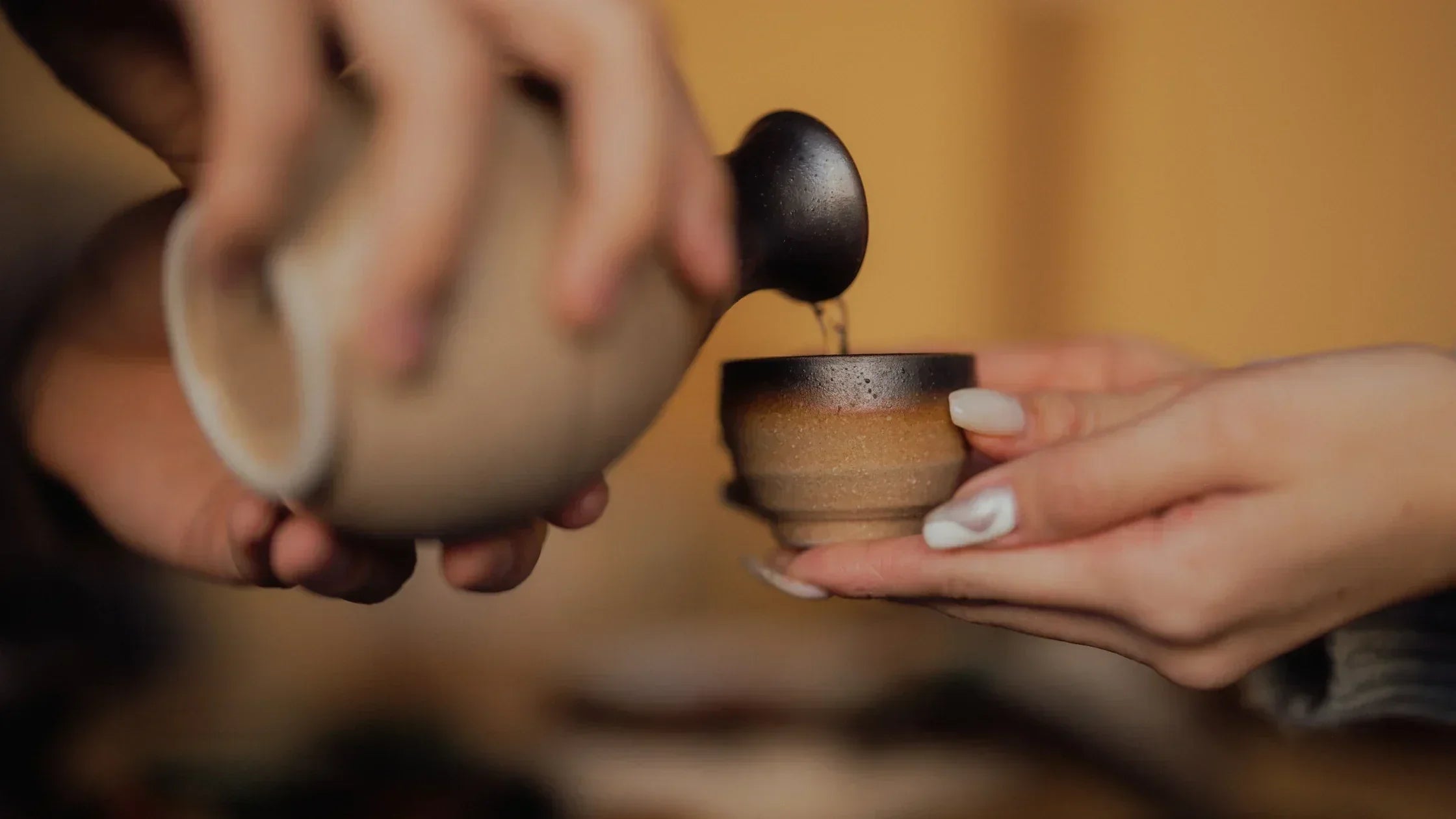
If you’ve ever visited Japan—or even unwrapped a beautifully made Japanese home good—you may have felt it without realizing what it was. That quiet sense of care. The feeling that someone really thought about you before you arrived. In Japan, this feeling has a name: omotenashi.
Often translated as “Japanese hospitality,” omotenashi goes far beyond good customer service. It’s not about being overly attentive or putting on a performance. Instead, it’s about sincerity, intention, and small details that make everyday moments feel special. For lovers of Japanese home goods, omotenashi is the philosophy that brings meaning to the objects we choose to live with.
So, What Exactly Is Omotenashi?
At its simplest, omotenashi means offering care from the heart, without expecting anything in return. There’s no hidden agenda, no upselling, no “customer is always right” script. Just genuine thoughtfulness.
In Japanese culture, a good host doesn’t wait to be asked. They notice. They anticipate. They prepare. Whether it’s serving tea, wrapping a purchase, or arranging a room, everything is done with the guest’s comfort in mind.
This mindset shows up everywhere in Japan—from corner cafés to luxury ryokan—and it’s deeply connected to how Japanese people design and use objects in their homes.

Why Omotenashi Matters in Japanese Home Goods
When you pick up a handmade ceramic bowl, a linen tea towel, or a minimalist incense holder from Japan, you’re not just buying an object. You’re buying into a way of thinking.
Japanese artisans often design with the end user in mind:
-
How will this feel in the hands?
-
How will it age over time?
-
Will it make daily life calmer or more enjoyable?
This is omotenashi in physical form. The care isn’t loud. It’s subtle. And that’s exactly what makes it so appealing to people who value quality over quantity.

The Roots of Omotenashi: Simple, Thoughtful Living
The idea of omotenashi has been around for centuries, closely tied to the Japanese tea ceremony. In a tea room, nothing is accidental. The season influences the flowers, the tea bowl, even the way guests are seated. The host prepares everything quietly, hoping the guest will feel at ease.
This same philosophy carries into traditional Japanese homes, where spaces are uncluttered and objects are chosen carefully. Each item has a purpose—and often a story.
For buyers of boutique Japanese home goods, this connection to tradition adds depth. You’re not just decorating; you’re creating an atmosphere that feels intentional and calm.

Omotenashi in Everyday Japanese Life
One of the most charming things about Japanese hospitality is how normal it feels there. It’s not reserved for special occasions.
You see it when:
-
A shopkeeper carefully wraps your purchase, even if it’s something small
-
A café staff member remembers how you like your coffee
-
A train conductor apologizes sincerely for a 30-second delay
These moments aren’t about perfection—they’re about respect. And that same respect is woven into Japanese design, packaging, and craftsmanship.

Ryokan, Rituals, and the Beauty of Slowing Down
If you’ve ever stayed at a ryokan (a traditional Japanese inn), you know how deeply omotenashi can shape an experience. From removing your shoes at the door to finding your futon already prepared, everything feels quietly supportive.
Meals are served when you’re ready. Rooms are arranged with seasonal touches. Nothing feels rushed.
This slower, more mindful approach is something many people try to recreate at home—through natural materials, handcrafted tableware, and objects that invite daily rituals like tea, incense, or shared meals.

Attention to Detail: Where Omotenashi Really Shines
Japanese hospitality is famous for its attention to detail, but it’s never flashy. It’s the kind of detail you notice only after you’ve relaxed.
In home goods, this shows up as:
-
Perfectly balanced ceramic forms
-
Textiles that soften beautifully with use
-
Packaging that feels like a gift, even when you buy it for yourself
These thoughtful touches make everyday routines—setting the table, making tea, lighting a candle—feel grounding and meaningful.

Why Omotenashi Feels So Right Today
In a fast-paced, disposable world, omotenashi offers something refreshing. It reminds us to slow down, care more, and choose things that last.
For boutique shoppers, this philosophy aligns naturally with:
-
Sustainable living
-
Supporting artisans
-
Buying fewer, better-made items
-
Creating a home that feels calm and personal
Omotenashi isn’t about luxury in the traditional sense. It’s about thoughtful simplicity.

Bringing Omotenashi Into Your Own Home
You don’t need to live in Japan to embrace this spirit. Omotenashi at home can be as simple as:
-
Serving guests tea in cups you love
-
Keeping your space uncluttered and welcoming
-
Choosing objects that feel good to use every day
-
Paying attention to how your home makes people feel
Japanese home goods are tools for this way of living. They support moments of care—both for others and for yourself.

More Than Hospitality, It’s a Way of Life
At its heart, omotenashi isn’t just about hosting guests. It’s about how we show up in the world—with care, humility, and intention. It’s about choosing quality over excess and meaning over trend.
That’s why it resonates so strongly with people drawn to Japanese design and craftsmanship. Every bowl, cloth, and object carries a quiet message: someone thought about this.
And when you bring that into your home, you’re not just decorating—you’re creating a space that welcomes, comforts, and lasts.
Share:
The History of Japanese Lanterns and How to Use Them Today
All About Noren Curtains: Adding Functionality and Style