

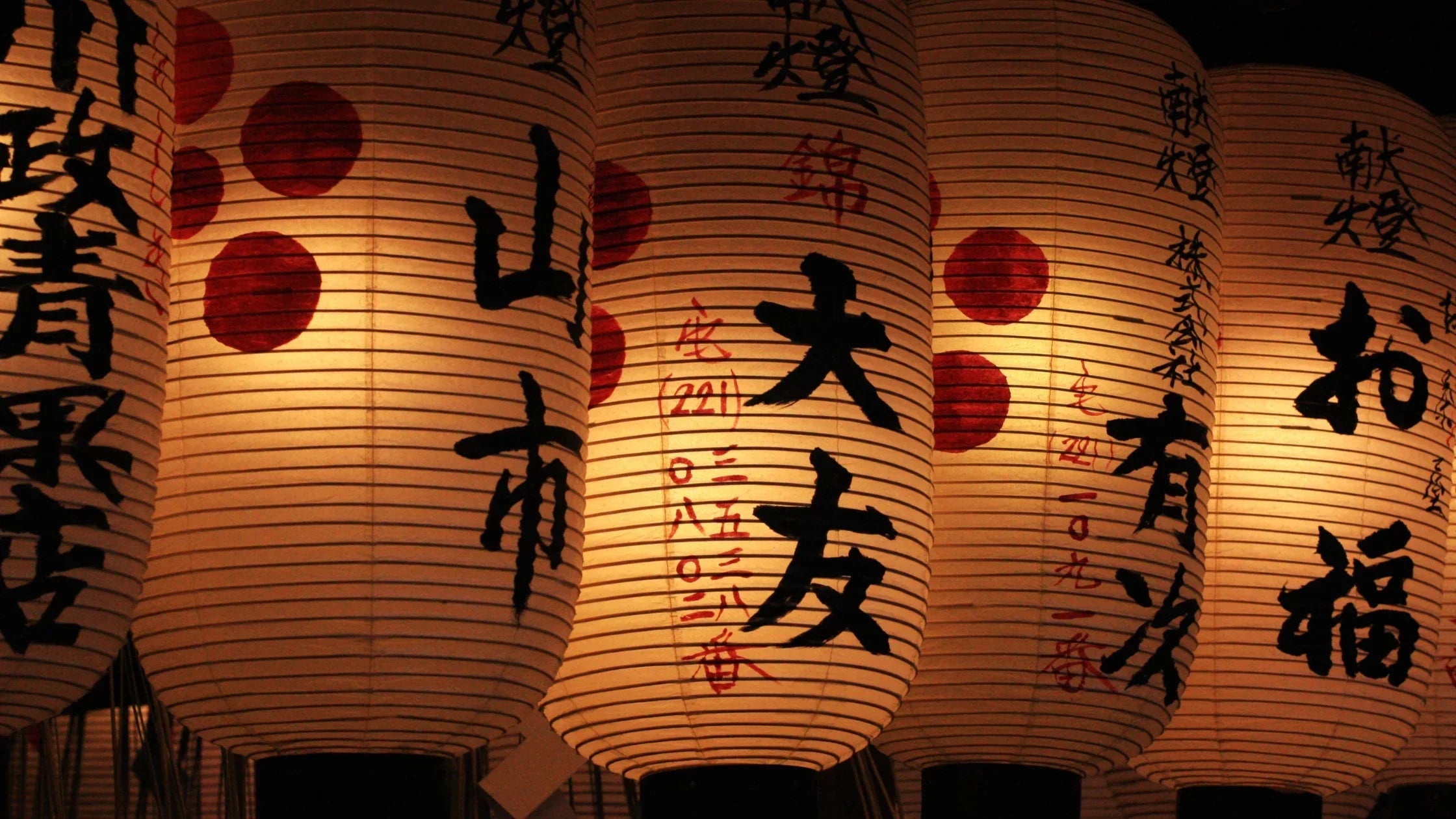
There’s something quietly magical about Japanese lanterns. Whether they’re glowing softly in a garden at dusk or hanging in a cozy corner of a home, they instantly set a mood—calm, thoughtful, and a little bit timeless. But these lanterns aren’t just beautiful objects. They carry centuries of history, symbolism, and craftsmanship that make them especially meaningful in modern living spaces.
If you’ve ever been drawn to Japanese lantern decor and wondered where it comes from—or how to use it in a way that feels authentic and intentional—this guide is for you.
Where Japanese Lanterns Began
Japanese lanterns trace their roots back over a thousand years, originally arriving in Japan alongside Buddhism from China. In the early days, lanterns weren’t about decoration at all. They were offerings of light, placed in temples and shrines as symbols of wisdom, protection, and spiritual guidance.
Lighting a lantern was seen as an act of devotion. The glow represented enlightenment—literally light pushing back darkness—and that idea is still at the heart of Japanese lantern design today.
Over time, lanterns moved beyond temple grounds and into daily life, slowly evolving into the forms we recognize now.

Traditional Types of Japanese Lanterns (and Why They Matter)
Even today, most Japanese lantern styles fall into a few classic categories. Knowing the difference can help you choose pieces that really fit your space and lifestyle.
Stone Lanterns: Quiet and Grounded
Japanese stone lanterns, often seen in gardens, are probably the most iconic. These lanterns became popular during the Heian period and were later embraced by tea masters, who loved their natural, understated presence.
Stone lanterns are designed with intention. Traditionally, they’re made up of five sections that represent the elements—earth, water, fire, wind, and void. Whether or not you’re aware of the symbolism, you can feel it: they bring a sense of balance and calm to outdoor spaces.
Today, Japanese garden lanterns are often used as focal points near pathways, ponds, or trees. Many modern versions use solar lighting, blending traditional aesthetics with modern convenience.
Paper Lanterns: Light, Warm, and Welcoming
When most people think of Japanese lanterns, they picture paper lanterns, also known as chōchin. These lanterns are made with bamboo frames and washi paper, and they became popular during the Muromachi period.
They were practical—lightweight, portable, and easy to hang—but also deeply charming. Over time, they became a staple of festivals, shops, and street scenes. That classic red Japanese paper lantern you see outside restaurants? That’s chōchin at work.
In modern homes, paper lanterns are loved for their soft, diffused light. They instantly warm up a room without feeling heavy or formal.
Andon Lanterns: Soft Light for Everyday Living
Andon lanterns were used indoors during the Edo period, when candles and oil lamps were the main light sources. Made from wood and paper, andon lanterns sat on floors or low tables, casting a gentle glow rather than bright light.
This style of lighting shaped Japan’s interior design philosophy—favoring shadows, simplicity, and atmosphere over harsh brightness. It’s a big reason Japanese interiors feel so calm and inviting.
You’ll still see andon-inspired lanterns today, especially in boutique Japanese home decor collections.

Why Japanese Lanterns Still Feel So Relevant
Japanese lanterns have never really gone out of style—and that’s because they tap into something many of us are craving now: slower living, intentional design, and spaces that feel soothing instead of overwhelming.
They’re also deeply symbolic. Lanterns represent guidance, peace, and transition. During Obon, a Japanese festival honoring ancestors, lanterns are used to guide spirits—a beautiful reminder that light is both practical and meaningful.
Even if you’re not thinking about symbolism when you decorate, that sense of purpose is still there. You feel it when the light turns on.

How to Use Japanese Lanterns in Modern Spaces
The beauty of Japanese lanterns today is how versatile they are. You don’t need a traditional Japanese home or garden to use them well.
In the Garden or Outdoor Space
Japanese stone lanterns are perfect for outdoor areas where you want a calm, grounded feeling. Instead of lining them up symmetrically, try placing one where it feels natural—near a bend in a path or partially tucked among plants.
Paper lanterns also work beautifully outdoors for patios or evening gatherings. Hung in small clusters, they create a warm, inviting atmosphere that feels special without being overdone.
Inside the Home
Indoors, Japanese lantern decor shines (literally). Paper lanterns make excellent pendant lights, floor lamps, or accent pieces in bedrooms and living rooms. Their soft glow is ideal for winding down at night.
Andon-style lanterns work especially well in reading nooks, entryways, or meditation spaces—anywhere you want gentle, ambient light rather than brightness.
They pair beautifully with natural materials like wood, linen, and ceramics, making them a natural fit for boutique, thoughtfully curated interiors.
For Events and Small Businesses
Japanese lanterns are also popular for weddings, pop-up shops, cafes, and restaurants. They add atmosphere instantly and photograph beautifully. Custom paper lanterns with subtle branding or patterns can elevate a space without feeling commercial.

Choosing the Right Japanese Lantern
When shopping for Japanese lanterns, think about how and where you’ll use them. Stone lanterns are best for permanent outdoor placement, while paper lanterns offer flexibility and easy updates.
If you’re drawn to boutique Japanese home goods, look for lanterns made with traditional materials and craftsmanship. Handcrafted details, natural textures, and simple forms make all the difference.

A Timeless Kind of Light
Japanese lanterns aren’t just decor—they’re an experience. They soften spaces, slow things down, and remind us that light doesn’t have to be loud to be powerful.
By understanding the history of Japanese lanterns and using them thoughtfully today, you bring more than beauty into your home. You bring warmth, intention, and a quiet sense of connection that never goes out of style.
Share:
Seasonal Japanese Décor Ideas for Winter
Embracing the Spirit of Omotenashi: The Heart of Japanese Hospitality