

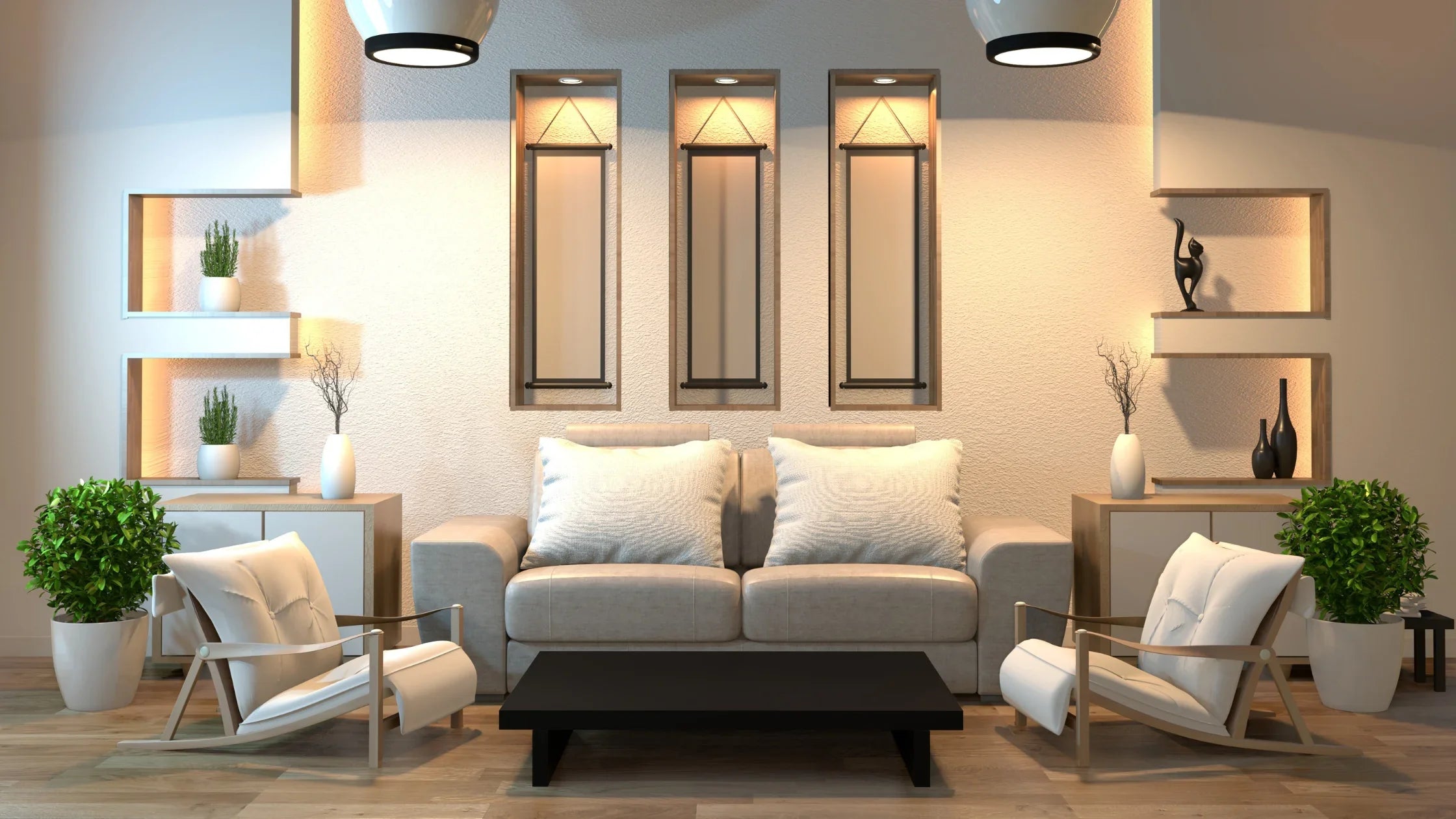
There's something special about walking into a room that instantly helps you slow down. It's quiet without feeling empty, beautiful without trying too hard, and every piece seems like it belongs. That's the appeal of Japanese interior design.
Many people assume you need to live in a traditional Japanese home to achieve this look, but that's simply not true. In fact, some of the most beautiful Japanese-inspired living rooms begin as completely ordinary Western spaces.
In this entry, we'll show you how a typical living room was transformed using timeless Japanese room design principles. Along the way, we'll share simple ideas that anyone can use—whether you're planning a full renovation or just looking for a few carefully chosen pieces to bring more warmth and balance into your home.
Starting with a Blank Canvas
Like many Western homes, this living room had everything you'd expect: a large sofa, a bulky TV unit, several bookshelves, and lots of decorative accessories collected over the years.
Nothing was particularly wrong with the space—it was comfortable enough—but it felt busy. Every wall had something on it, every surface was covered, and the room never quite felt like a place to truly relax.
The homeowners weren't looking for a dramatic makeover. They simply wanted their home to feel calmer, lighter, and more intentional. They loved the quiet elegance of Japanese homes and were especially drawn to the clean lines and natural materials found in modern Japandi style.

Less Clutter, More Breathing Room
The first step wasn't buying anything new. It was removing things that no longer added value.
One of the biggest lessons from Japanese home decor is that every object should have a purpose. Instead of filling shelves just because there's space available, each item is chosen carefully.
After clearing away unnecessary decorations and reducing the amount of furniture, the room immediately felt larger. Sunlight reached corners that had been hidden before, and the whole space seemed to breathe again.
It's amazing how much difference empty space can make.

Bringing Nature Indoors
If there's one thing that defines Japanese interior design, it's the connection to nature.
Instead of glossy finishes and synthetic materials, the homeowners introduced natural textures throughout the room. A light oak coffee table replaced a dark wood one, linen curtains softened the windows, and woven baskets provided practical storage without adding visual clutter.
Small details made a big impact, too. Handmade ceramic bowls, a simple wooden tray, and a beautifully crafted vase became everyday pieces that were just as enjoyable to use as they were to look at.
This is where boutique Japanese home decor really shines. Rather than filling your home with lots of accessories, a few thoughtfully made pieces can completely change the feel of a room.

Choosing Furniture That Feels Light
Western living rooms often revolve around oversized furniture, but Japanese spaces usually take the opposite approach.
The large sofa was replaced with a lower-profile design that opened up the room visually. A simple wooden coffee table became the centrepiece, while unnecessary side tables were removed altogether.
Although traditional tatami flooring wasn't an option, a woven natural-fibre rug created a similar feeling underfoot. For many homes, these kinds of tatami alternatives offer the same warm, organic character while fitting seamlessly into a modern interior.
The result was a room that felt open without sacrificing comfort.

A Softer Colour Palette
Colour plays a surprisingly important role in creating a peaceful home.
Dark furniture gave way to lighter wood tones, while the walls remained warm white. Soft beige, stone grey, muted green, and charcoal accents added depth without overwhelming the space.
These colours echo landscapes found throughout Japan—weathered wood, river stones, natural fibres, and soft earth tones. Together, they create the quiet atmosphere that's so often associated with a Zen interior.
Instead of demanding attention, everything works together.

Letting the Light Do the Work
Natural light became one of the room's biggest design features.
Heavy curtains were replaced with airy linen panels that gently filtered sunlight throughout the day. In the evening, warm lighting created a softer mood using paper-inspired lamps and subtle table lighting rather than one bright ceiling fixture.
The difference was remarkable.
During the day, the room felt bright and fresh. At night, it became cosy and relaxing—perfect for enjoying a cup of tea, reading a book, or simply unwinding after work.

Adding Japanese Touches Without Overdoing It
One mistake people often make is thinking a Japanese-inspired room needs to be filled with Japanese decorations.
In reality, restraint is part of the beauty.
Instead of themed décor, the homeowners chose just a handful of authentic pieces that reflected craftsmanship and simplicity.
These included:
- A handcrafted ceramic vase
- A wooden serving tray made from natural timber
- A small bonsai tree
- Linen floor cushions
- Minimal framed artwork
- Decorative shoji screens used as subtle room dividers
Each piece had room to be appreciated.
This approach not only feels more authentic but also allows high-quality artisan goods to stand out—something that's at the heart of boutique Japanese design.

The Finished Space
By the end of the project, the room looked completely different, even though very few structural changes had been made.
It felt brighter.
Quieter.
More welcoming.
Friends immediately noticed how peaceful the room had become, while the homeowners found themselves naturally spending more time there. Instead of feeling like another room to pass through, it became somewhere to pause, relax, and reconnect.
That's the beauty of thoughtful Japanese room design. It isn't about following trends—it's about creating a home that supports everyday life.

What We Learned
One of the biggest takeaways from this project is that creating a Japanese-inspired home isn't about buying more things. It's about choosing better things.
A beautifully made ceramic bowl you'll use every morning. A handcrafted wooden tray you'll reach for every afternoon. Linen textiles that become softer with time. These are the kinds of pieces that quietly enrich daily life.
That's why so many people are drawn to boutique Japanese home decor. It's less about decorating and more about surrounding yourself with objects that are made to be appreciated for years, not seasons.
Whether you're introducing a single handcrafted vase or gradually embracing a full Japandi style home, every thoughtful addition helps create a space that feels calmer and more personal.

Bringing Japanese Style Into Your Own Home
You don't need to start from scratch to embrace Japanese interior design.
Begin by clearing away visual clutter. Add natural materials wherever you can. Choose quality over quantity, and look for handcrafted pieces that tell a story. Let your home evolve slowly instead of trying to finish it all at once.
The most beautiful Japanese-inspired interiors aren't built in a weekend—they're collected over time, with care and intention.
If you're looking to create a home that feels peaceful, welcoming, and effortlessly elegant, taking inspiration from Japanese design is a wonderful place to start. Sometimes, all it takes is one beautifully crafted piece to change the way a room—and even your daily routine—feels.
Share:
Small Details That Make a Home Feel Authentically Japanese
The Lifespan of Traditional Japanese Products