

There's something refreshing about owning products that aren't designed to be replaced every few years.
In a world where so many everyday items are mass-produced and disposable, traditional Japanese products offer a different approach. Whether it's a handcrafted Japanese teapot, a beautifully glazed ceramic bowl, a solid wood storage chest, or a handmade washi paper lamp, these pieces are made with longevity in mind.
That's one of the things people love most about Japanese craftsmanship. These aren't just decorative objects—they're items designed to be used, appreciated, and cared for every day. With a little attention, many can last for decades, and some are even passed down from one generation to the next.
If you're looking to create a home filled with timeless pieces rather than disposable trends, here's why authentic Japanese home goods are such a worthwhile investment.
Why Japanese Craftsmanship Lasts So Long
The reputation of Japanese craftsmanship isn't just about beautiful design—it's about how things are made.
Many traditional artisans spend years, sometimes decades, perfecting their craft. Instead of focusing on producing as many items as possible, they prioritize quality materials, careful construction, and thoughtful design that stands the test of time.
That means you'll often find:
- Natural materials that age beautifully
- Handcrafted details instead of factory shortcuts
- Functional designs made for everyday living
- Products that can be maintained rather than replaced
It's a philosophy that values buying well instead of buying often.

Japanese Ceramics Only Get Better With Time
One of the easiest ways to appreciate traditional craftsmanship is through Japanese ceramics.
Whether it's a matcha bowl, serving plate, ramen bowl, or everyday mug, handmade Japanese pottery is designed to become part of your daily routine. Unlike cheaper ceramics that can chip or crack after a few years, quality pieces from famous pottery regions are made to last.
With normal care, many ceramic pieces will stay in your kitchen for decades.
Even better, they often develop more character over time. Tiny signs of use become part of the story, giving each piece a personality that's impossible to recreate with factory-made tableware.

A Japanese Teapot Can Last for Decades
If you've ever owned a quality Japanese teapot, you'll know they feel different the moment you pick one up.
Traditional Tokoname kyusu teapots are handmade from iron-rich clay that's naturally durable and excellent for brewing green tea. Many tea lovers use the same teapot for 20, 30, or even 40 years.
Some families even pass them down to the next generation.
The secret is simple care:
- Rinse with warm water instead of soap.
- Let it dry completely before storing.
- Avoid sudden changes in temperature.
- Handle it with care to prevent accidental drops.
The more you use it, the more personal it becomes.

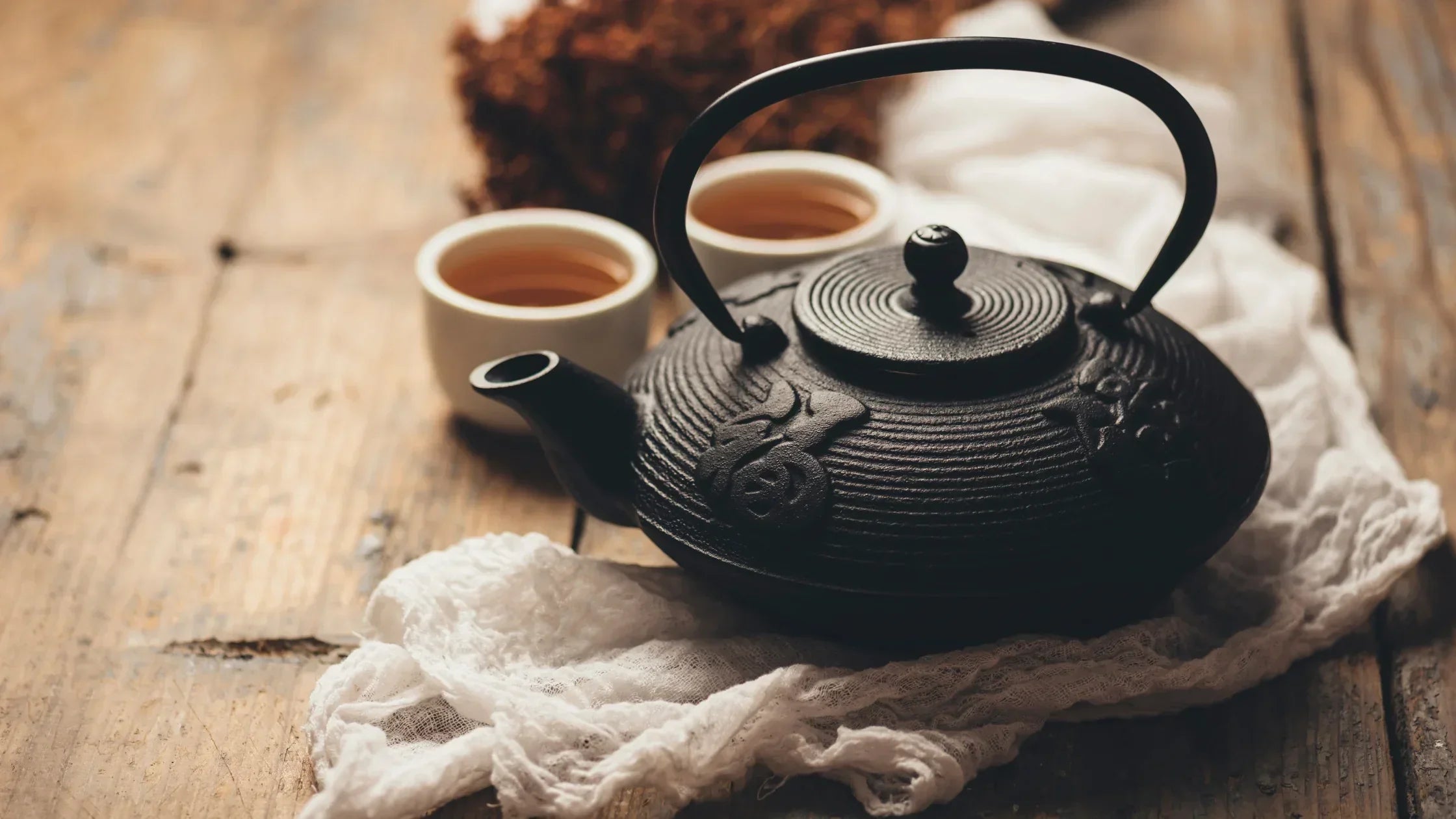
Japanese Cast Iron Teapots Are Built to Last
Authentic Japanese cast iron teapots and kettles are famous for a reason.
They're incredibly durable, retain heat beautifully, and can last for decades with proper care. Some vintage cast iron kettles are still being used after more than 100 years.
Drying them thoroughly after use and storing them somewhere dry is usually all it takes to keep them in excellent condition.
It's the kind of purchase you make once and enjoy for many years.

Solid Wood Furniture That Ages Beautifully
One of the best things about traditional Japanese furniture is that it doesn't lose its appeal as it gets older.
Whether it's a handcrafted tansu chest, a low coffee table, or a wooden cabinet, quality hardwood develops a rich patina over time that gives every piece even more character.
Unlike flat-pack furniture that often needs replacing after a move or two, well-made Japanese furniture is built to stay with you for years.
Many antique Japanese pieces are over a century old and still look stunning today.
That's the beauty of investing in quality craftsmanship.

Washi Paper Lamps Are More Durable Than You Might Think
At first glance, Japanese paper lamps look incredibly delicate.
But traditional washi paper is surprisingly strong thanks to the natural fibers used to make it.
With normal indoor use and an LED bulb, a quality washi paper lamp can easily last for many years. And if the paper ever becomes damaged, many lamps are designed so the shade can be replaced without replacing the entire fixture.
It's another example of thoughtful Japanese design that values longevity over waste.

The Beauty of Things That Age Naturally
One thing that makes Japanese home décor so special is that it's not expected to stay looking brand new forever.
In Japan, there's an appreciation for the subtle signs that something has been loved and used. A wooden tray might deepen in color. A ceramic bowl might develop tiny variations that make it uniquely yours.
Rather than seeing these changes as flaws, they're often viewed as part of the item's story.
It's a refreshing mindset in a world where we're often encouraged to replace perfectly good things simply because they're no longer "new."

Simple Ways to Keep Japanese Home Goods Looking Their Best
The good news is that caring for handcrafted Japanese products doesn't require much effort.
A few simple habits go a long way:
- Hand wash ceramics whenever possible.
- Avoid exposing pottery to sudden temperature changes.
- Keep wooden items away from excessive moisture.
- Dry cast iron thoroughly after each use.
- Dust washi lamps gently with a soft cloth.
- Use LED bulbs to help preserve paper lamp shades.
Treat them well, and they'll reward you with years of everyday use.

A More Sustainable Way to Buy
Choosing handmade Japanese products is also a more sustainable way to furnish your home.
When you buy something that's built to last for decades instead of replacing lower-quality alternatives every few years, you naturally reduce waste and consume fewer resources.
It's a simple shift in mindset: buy fewer things, but choose pieces you'll genuinely enjoy using every day.
That philosophy has always been at the heart of traditional Japanese craftsmanship.

Why Quality Is Always Worth It
Authentic Japanese home goods aren't just purchases—they become part of your daily life.
Your morning tea tastes a little more enjoyable from a handcrafted kyusu. A ceramic bowl becomes your favorite for every meal. A wooden cabinet gains character with every passing year. These are the kinds of pieces that quietly become part of your routines and memories.
While they may cost a little more upfront than mass-produced alternatives, their quality, durability, and timeless design often make them the better value in the long run.
If you're looking for beautiful pieces that combine craftsmanship, functionality, and lasting quality, traditional Japanese products are hard to beat. They're made to be used, appreciated, and enjoyed—not just today, but for many years to come.
And perhaps that's what makes them so special. In a fast-paced world filled with disposable products, owning something carefully crafted by skilled artisans feels a little more meaningful. Every piece carries a story, and with time, it becomes part of yours.
Share:
Transforming a Western Room with Japanese Design
How to Care for Your Japanese Kitchen Tools