

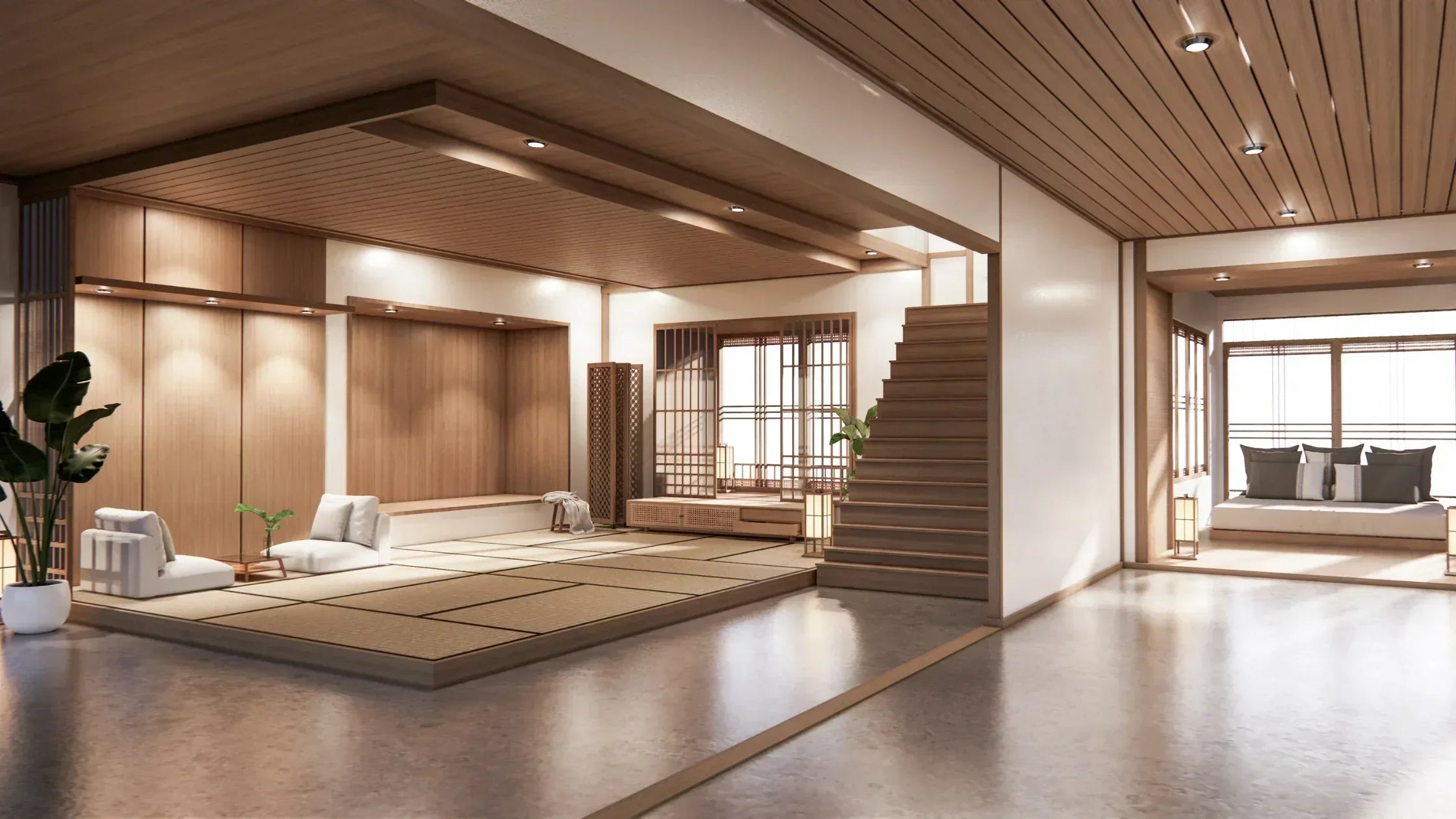
There’s something special about Japanese interiors that people instantly connect with. Maybe it’s the calm feeling, the natural materials, or the way every piece seems intentional without trying too hard. Whatever it is, Japanese design has become one of the biggest influences in modern interiors — especially for homeowners looking to create a space that feels warm, minimal, and timeless.
The good news is you don’t need a traditional ryokan or a fully Zen-inspired house to bring this look into your home. Some of the most beautiful spaces today mix modern Japanese interior design with traditional Japanese décor in a way that feels relaxed, lived-in, and personal.
If you love boutique Japanese home goods, handcrafted ceramics, natural wood accents, or minimalist interiors with character, here’s how to blend modern and traditional Japanese style in a way that feels effortless.
Start with a Calm, Natural Color Palette
One of the easiest ways to create a Japanese-inspired interior is through color. Traditional Japanese homes are heavily inspired by nature, so the palette tends to stay soft and grounded.
Think:
- Warm whites
- Sand and beige tones
- Soft gray
- Charcoal accents
- Natural wood shades
- Muted greens
Modern Japanese interiors lean into the same palette but often add a cleaner, more contemporary edge.
The goal isn’t to make everything match perfectly. Instead, you want the room to feel balanced and calming. A light oak table, cream linen curtains, and matte black accents can work beautifully together without feeling overly designed.
This neutral foundation also makes it easier to highlight special pieces like handmade Japanese ceramics, artisanal lighting, or vintage décor.

Mix Clean Modern Furniture with Traditional Japanese Elements
A common mistake people make is going too themed. You don’t need your entire home to look like a traditional tea house.
Instead, focus on balance.
A modern sofa with clean lines can look incredible next to a low wooden coffee table inspired by traditional Japanese furniture. Contemporary interiors actually work best when they include a few warmer, handcrafted elements to soften the space.
Some easy ways to do this:
- Add a low-profile wood bench
- Use floor cushions or zabuton seating
- Incorporate a platform bed
- Style open shelving with Japanese pottery
- Choose furniture with natural textures and visible grain
Japanese design is all about simplicity, but it should still feel inviting.

Bring in Handmade and Boutique Japanese Home Goods
This is where the personality comes in.
Boutique Japanese home décor adds warmth and authenticity that mass-produced pieces usually can’t replicate. Even a few carefully chosen items can completely shift the atmosphere of a room.
Some favorites include:
- Handmade ceramic bowls and vases
- Woven baskets
- Linen noren curtains
- Paper lantern lighting
- Wooden trays and serving pieces
- Matcha sets and tea accessories
- Indigo-dyed textiles
- Minimalist incense holders
The beauty of Japanese craftsmanship is that these items are designed to be both functional and beautiful. They’re meant to be used and enjoyed daily, not hidden away for special occasions.
That balance between practicality and artistry is a huge part of what makes Japanese interiors feel so timeless.

Use Natural Materials Everywhere You Can
If there’s one thing that instantly makes a space feel more Japanese-inspired, it’s natural texture.
Traditional Japanese interiors rely heavily on materials that age beautifully over time:
- Wood
- Bamboo
- Stone
- Linen
- Cotton
- Rattan
- Rice paper
Modern interiors can sometimes feel cold or overly polished, so adding organic materials helps create warmth and softness.
Even small swaps make a difference:
- Replace synthetic décor with handcrafted wood pieces
- Use linen bedding instead of shiny fabrics
- Add stoneware mugs and plates
- Incorporate woven lighting or storage baskets
These details create the layered, calming look that modern Japanese homes are known for.

Let Your Space Breathe
One of the defining features of Japanese interior design is the use of space itself.
Not every wall needs décor. Not every shelf needs styling.
Japanese homes often embrace negative space — or “ma” — which simply means allowing room for the eye and mind to rest.
In practical terms, that means:
- Avoid overcrowding furniture
- Leave open areas where possible
- Be selective with décor
- Prioritize quality over quantity
This is especially important if you’re investing in boutique Japanese home goods. A handcrafted ceramic vase or artisan lamp stands out more when it has space around it.
Minimalism in Japanese design isn’t about emptiness. It’s about intention.

Add Soft Lighting for a Relaxed Atmosphere
Lighting has a huge impact on how a room feels, and Japanese interiors tend to favor softer, warmer light over anything harsh or overly bright.
Instead of relying on one overhead fixture, layer your lighting with:
- Paper lantern pendants
- Warm table lamps
- Indirect lighting
- Wall sconces
- Soft ambient lighting near the floor
The goal is to create a relaxed atmosphere that feels cozy in the evening and calm during the day.
Akari-style lamps and Japanese paper lighting are especially popular right now because they blend traditional craftsmanship with modern sculptural design.

Bring Nature Indoors
Japanese interiors have a strong connection to nature, and honestly, this is one of the easiest ways to make a modern home feel more grounded.
A few simple additions can completely change the mood of a room:
- Bonsai trees
- Olive branches
- Bamboo
- Indoor plants
- Stone accents
- Natural wood finishes
You don’t need an indoor garden or a massive space. Even one carefully placed plant next to a ceramic vase or wooden console table can create that calm, organic feeling Japanese interiors are known for.
Natural light also matters. If possible, keep window treatments light and airy to let sunlight move through the room.

Blend Old and New Thoughtfully
The most beautiful Japanese-inspired homes rarely feel overly trendy. They combine contemporary pieces with objects that feel storied, handmade, or collected over time.
That contrast is what gives the space depth.
For example:
- Pair modern architecture with vintage ceramics
- Mix sleek lighting with antique wood accents
- Style contemporary shelving with traditional tea ware
- Combine minimalist furniture with textured textiles
This layered approach keeps the space feeling personal instead of staged.

Focus on Feeling, Not Perfection
At its core, Japanese design is less about following strict rules and more about creating a feeling.
A good Japanese-inspired interior should feel:
- Calm
- Balanced
- Comfortable
- Natural
- Intentional
It doesn’t need to be perfectly minimalist or traditionally accurate. The best spaces evolve slowly through meaningful pieces, natural materials, and thoughtful styling.
That’s also why boutique Japanese home goods work so well in modern interiors. They bring craftsmanship, texture, and soul into spaces that might otherwise feel too polished or impersonal.

Final Thoughts
Mixing modern and traditional Japanese design is really about finding harmony between clean contemporary living and timeless craftsmanship.
By layering natural materials, soft colors, handcrafted décor, and minimalist styling, you can create a home that feels peaceful without sacrificing warmth or personality.
And the best part? You don’t need to redesign your entire home overnight. Even a few carefully chosen Japanese-inspired pieces — a ceramic tea set, a paper lantern, a handmade wood tray — can completely shift the atmosphere of a space.
That quiet, lived-in elegance is what makes Japanese design continue to resonate with people around the world.
Share:
Subtle Color Palettes Inspired by Traditional Japan
Lighting Placement Secrets from Japanese Interiors